First, place your unsalted butter in a medium-sized saucepan. It’s essential to use a pan with a light-colored bottom so you can easily monitor the color of the butter as it cooks. Turn the heat to medium and let the butter melt completely. Keep an eye on it as it begins to melt; you want to ensure it doesn’t burn.
Once the butter has melted, you’ll notice it starts to bubble and foam. Now it's time to slightly increase the heat to just above medium. Stir the butter constantly using a wooden spoon or heatproof spatula. This is crucial as it helps to distribute the heat evenly and prevents any milk solids from sticking to the bottom of the pan.
The butter will start to make a lovely sizzling sound as the water content evaporates. At this stage, the milk solids will begin to separate and sink to the bottom. Keep stirring and watching for any change in color. After about 4 to 5 minutes, the butter will begin to turn a golden brown. This is when the magic happens!
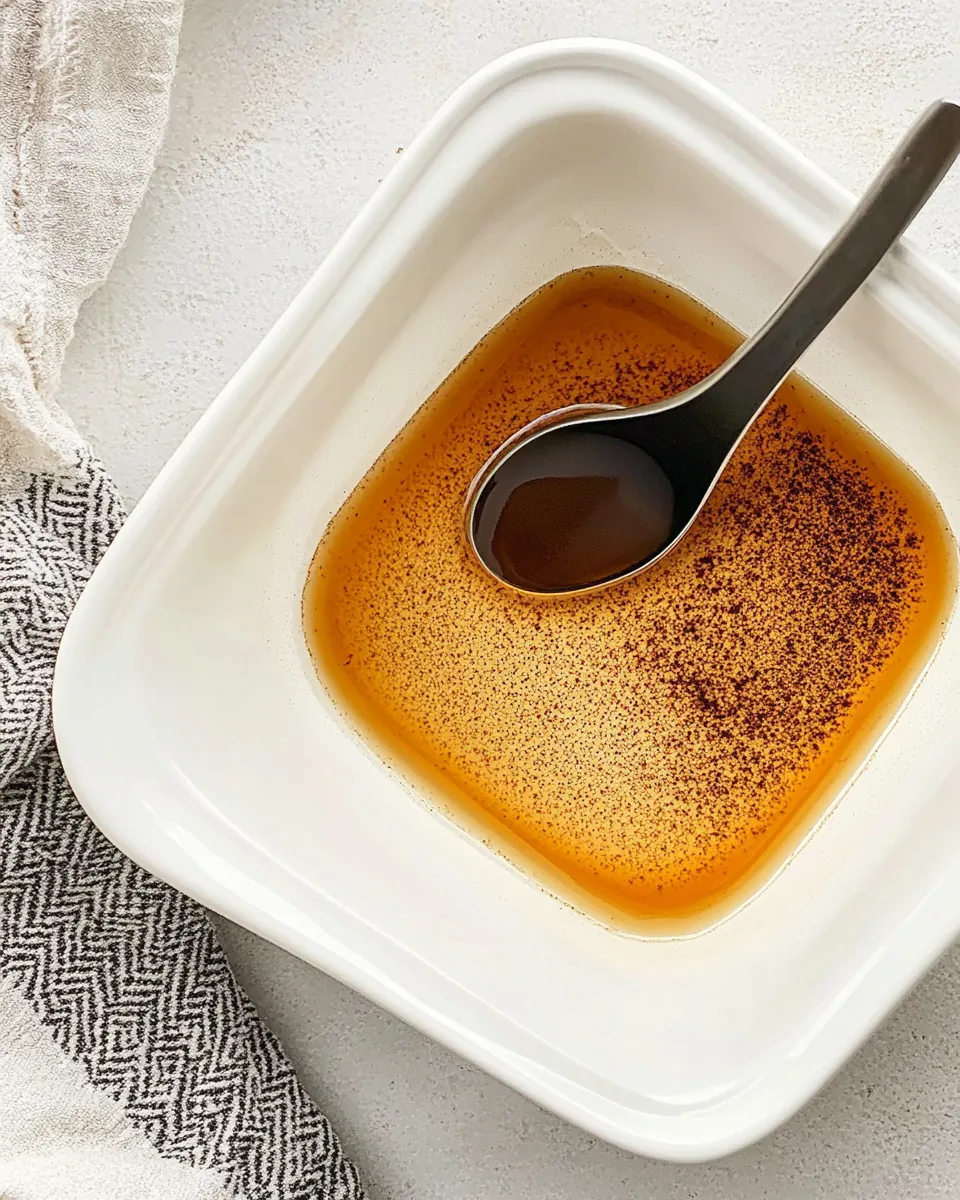
Continue cooking and stirring until the butter turns a rich amber color and has a nutty aroma. It’s essential to stay vigilant at this point; the transition from perfectly brown to burnt can happen very quickly. Look for a color that is reminiscent of hazelnut, which indicates it’s just right. This process typically takes around 6 to 8 minutes total.
Once your butter has reached that perfect brown color, immediately remove it from the heat. Pour the browned butter into a small heat-proof bowl. This is vital to prevent it from cooking further in the hot pan.
Let the Brown Butter cool for about 10 to 15 minutes. Depending on how you plan to use it, you can either use it right away or allow it to cool completely before storing it in the fridge. It can stay fresh for up to 5 days in the refrigerator.