
Thai Panang Curry
There’s something magical about cooking a dish that transports you to another place, and that’s exactly how I feel when I prepare Thai Panang Curry. It all started one rainy evening when I craved a warm, comforting meal that could brighten my spirits. I ventured into my kitchen, armed with a few simple ingredients that miraculously transformed into something exquisite. The aroma of coconut milk mingling with panang curry paste filled the air, and I couldn’t help but feel a wave of excitement. As the chicken simmered alongside colorful bell peppers and fragrant spices, I knew I was onto something special. This dish has since become a staple in my household, bringing smiles and satisfaction to every dinner table.
Recipe Snapshot
40 mins
10 mins
30 mins
Medium
470 kcal
30 g
Gluten-Free, Low FODMAP
29 g
Oven, Skillet, Frying Pan, Large Pot, Saucepan, Mixing Bowl, Chef’s Knife, Wooden Spoon
Why You Need This Thai Panang Curry
A Rich and Creamy Base
The star of Thai Panang Curry is undoubtedly the creamy base made from coconut milk. This rich ingredient provides a luxurious texture that makes every spoonful feel indulgent. It perfectly balances the spiciness of the curry paste, creating a harmonious blend of flavors that lingers on the palate.
Versatile Ingredient Options
One of the things I love about this recipe is its versatility. Whether you’re a meat lover or prefer a vegetarian option, Thai Panang Curry can be tailored to fit your dietary needs. You can easily swap out chicken for tofu or add in extra vegetables like zucchini or broccoli to amp up the nutrition without sacrificing flavor.
Perfect for Meal Prep
This curry is ideal for meal prep, making it a perfect choice for busy weeknights. It stores well in the fridge and the flavors actually deepen after a day or two, making leftovers even more delicious. Simply reheat and enjoy a comforting bowl of Thai Panang Curry that tastes like it just came off the stove!
A Crowd-Pleaser
If you’re looking for a dish that will impress your guests, look no further. Thai Panang Curry is always a hit at gatherings. The vibrant colors and tantalizing aroma draw people in, and once they taste it, they’ll be asking for seconds. It’s an excellent centerpiece for dinner parties or family gatherings.
Health Benefits
This dish is not only delicious but also packed with nutrients. Coconut milk is a great source of healthy fats, while the addition of fresh vegetables provides essential vitamins and minerals. Plus, using lean chicken makes it a protein-rich meal. You can feel good about serving this curry to your loved ones.
A Flavorful Adventure
Cooking Thai Panang Curry is not just a meal; it’s an experience. From the moment you open that can of coconut milk to the first bite of the finished dish, every step is an opportunity to enjoy the process and explore new flavors. I encourage you to gather your ingredients and dive into this culinary adventure!
Thai Panang Curry Shopping List
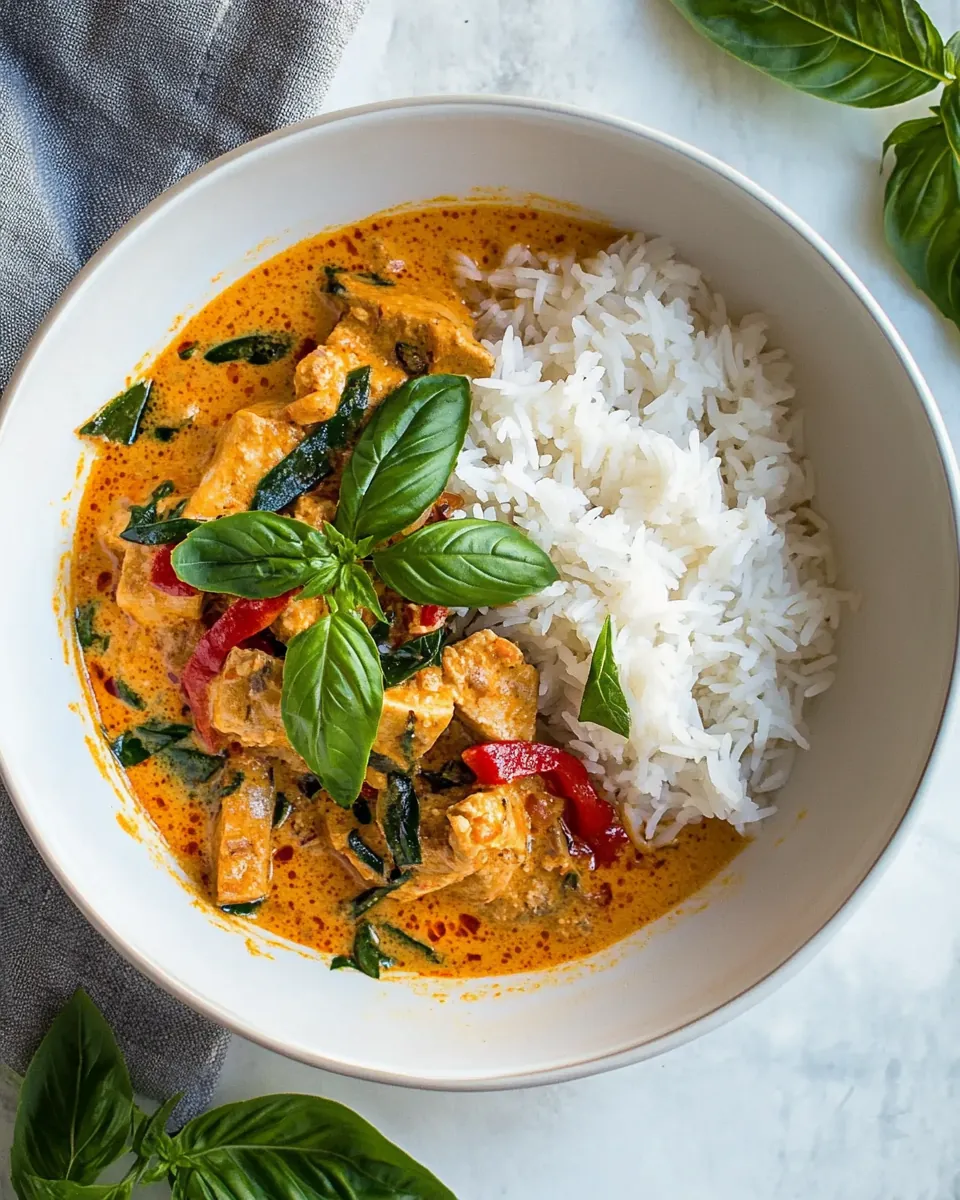
When preparing Thai Panang Curry, the ingredients play a crucial role in creating that authentic taste. Each component contributes a unique flavor, and together they form a deliciously cohesive dish. The key players in this recipe are coconut milk, panang curry paste, and fresh vegetables. The combination of these ingredients not only enhances the flavors but also ensures a satisfying meal.
- 2 (15-oz) cans full-fat coconut milk, divided: This creates the rich, creamy base for the curry, balancing the spices beautifully.
- 1/2 yellow onion, finely chopped: Adds sweetness and depth to the curry, enhancing the overall flavor profile.
- 1 red bell pepper, chopped: Provides a pop of color and a subtle sweetness that complements the other ingredients.
- 1 Tbsp coconut oil: A great cooking oil that adds a hint of coconut flavor while sautéing.
- 1.5 lbs boneless skinless chicken breasts, chopped: The primary protein source that absorbs the delicious flavors of the curry.
- 4 Tbsp panang curry paste: The heart of the dish, offering a blend of spices that defines the curry’s unique taste.
- 2 Tbsp peanut butter (or unsweetened almond butter): Adds creaminess and a subtle nuttiness to the dish.
- 2 Tbsp coconut sugar (or brown sugar, optional): A touch of sweetness to balance the spiciness of the curry.
- 2 Tbsp fish sauce: Enhances the umami flavor, rounding out the dish.
- Sea salt to taste: Essential for seasoning and bringing all the flavors together.
How to Assemble Thai Panang Curry
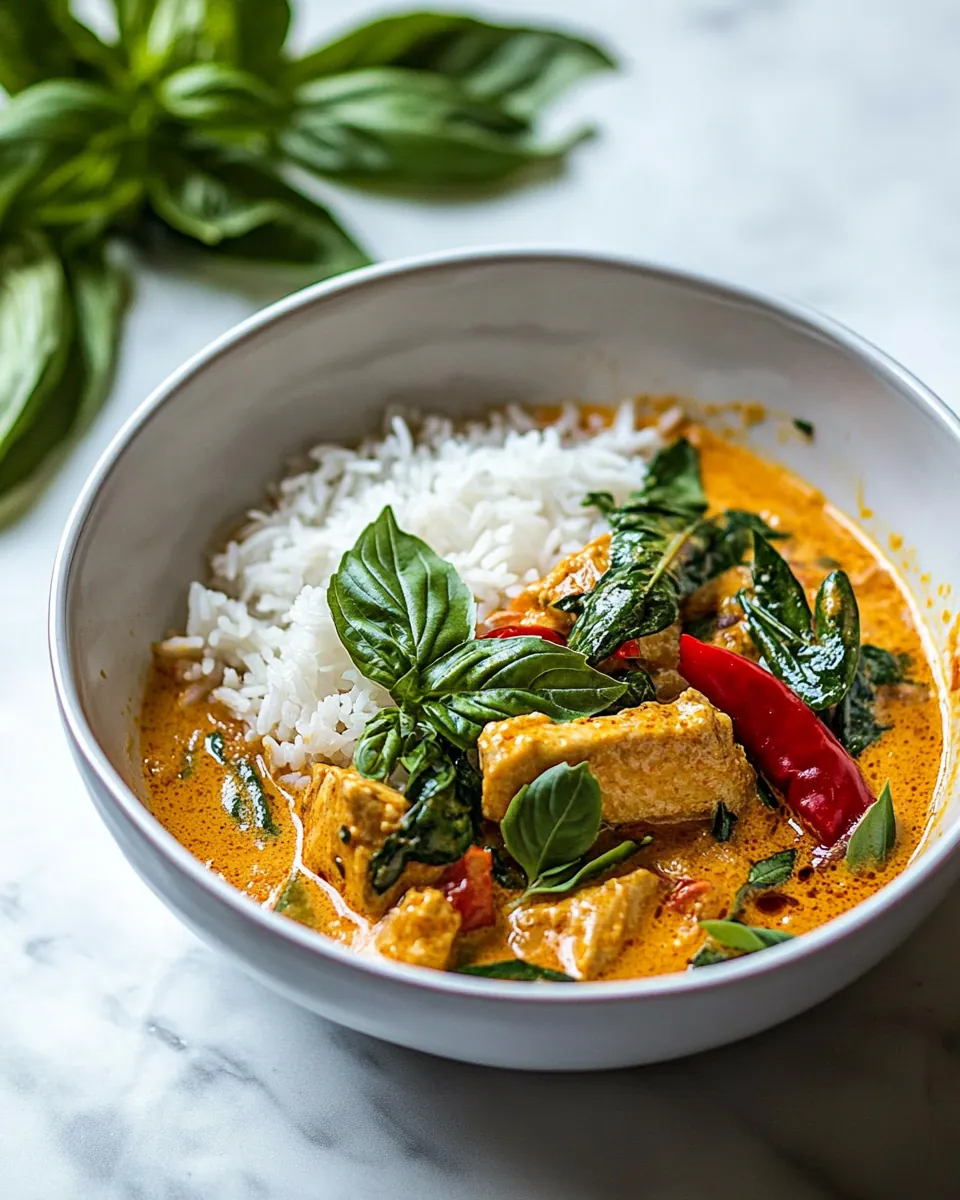
Assembling Thai Panang Curry is an enjoyable process that allows you to immerse yourself in the cooking experience. Follow these detailed steps to create a dish that will impress your taste buds and your dinner guests. Let’s get started!
- Open a can of full-fat coconut milk and pour about ¼ cup into a large skillet or dutch oven. This initial step is crucial as it sets the stage for a creamy base. Add the chopped onion and sauté over medium heat until fragrant and softened, about 5 to 8 minutes. You’ll know it’s ready when the onion turns translucent and sweet-smelling.
- Next, add the red bell pepper to the skillet and sauté for an additional 2 minutes. This will soften the peppers while adding a vibrant color to the dish. Look for the colors to brighten as they cook.
- Pour the remaining coconut milk into the skillet, along with the panang curry paste, peanut butter (or almond butter), optional coconut sugar, fish sauce, and sea salt. Stir everything together, ensuring the curry paste is evenly distributed. Bring the mixture to a full boil and then reduce the heat to a gentle simmer.
- Let the curry simmer for about 15 minutes, stirring occasionally. During this time, the flavors will meld together beautifully. Keep an eye on the consistency; you want it to thicken slightly while maintaining a creamy texture.
- While the curry simmers, heat another skillet over medium-high heat and add about a tablespoon of coconut oil. Once hot, add the chopped chicken and brown on both sides for about 3 to 5 minutes. The chicken should develop a nice golden crust. This step infuses it with flavor and locks in moisture.
- Cover the skillet and continue cooking the chicken until it’s fully cooked through, about another 3 to 5 minutes. Make sure no pink remains. Once done, drain any excess liquid off the chicken. This ensures the curry doesn’t become watery.
- Transfer the cooked chicken into the skillet with the curry mixture. Stir well to combine, allowing the chicken to absorb the flavors of the curry. Let it simmer for an additional 10 minutes; this step is key for the flavors to come together harmoniously.
- Finally, serve your Thai Panang Curry hot, accompanied by your choice of rice, cauliflower rice, zucchini noodles, or quinoa. Presenting it beautifully will enhance the dining experience.
Things Worth Knowing
- Use Fresh Ingredients: Fresh vegetables can elevate the flavors of your Thai Panang Curry. Choose vibrant, crisp veggies for the best results.
- Adjust Spice Levels: If you prefer a milder curry, start with less panang curry paste and gradually add more to suit your taste.
- Cooking Time Matters: Allowing the curry to simmer for enough time lets all the flavors meld, enhancing the overall taste.
- Serve with Appropriate Sides: Consider serving the curry with a side of steamed jasmine rice or quinoa for a well-rounded meal.
Variations to Try
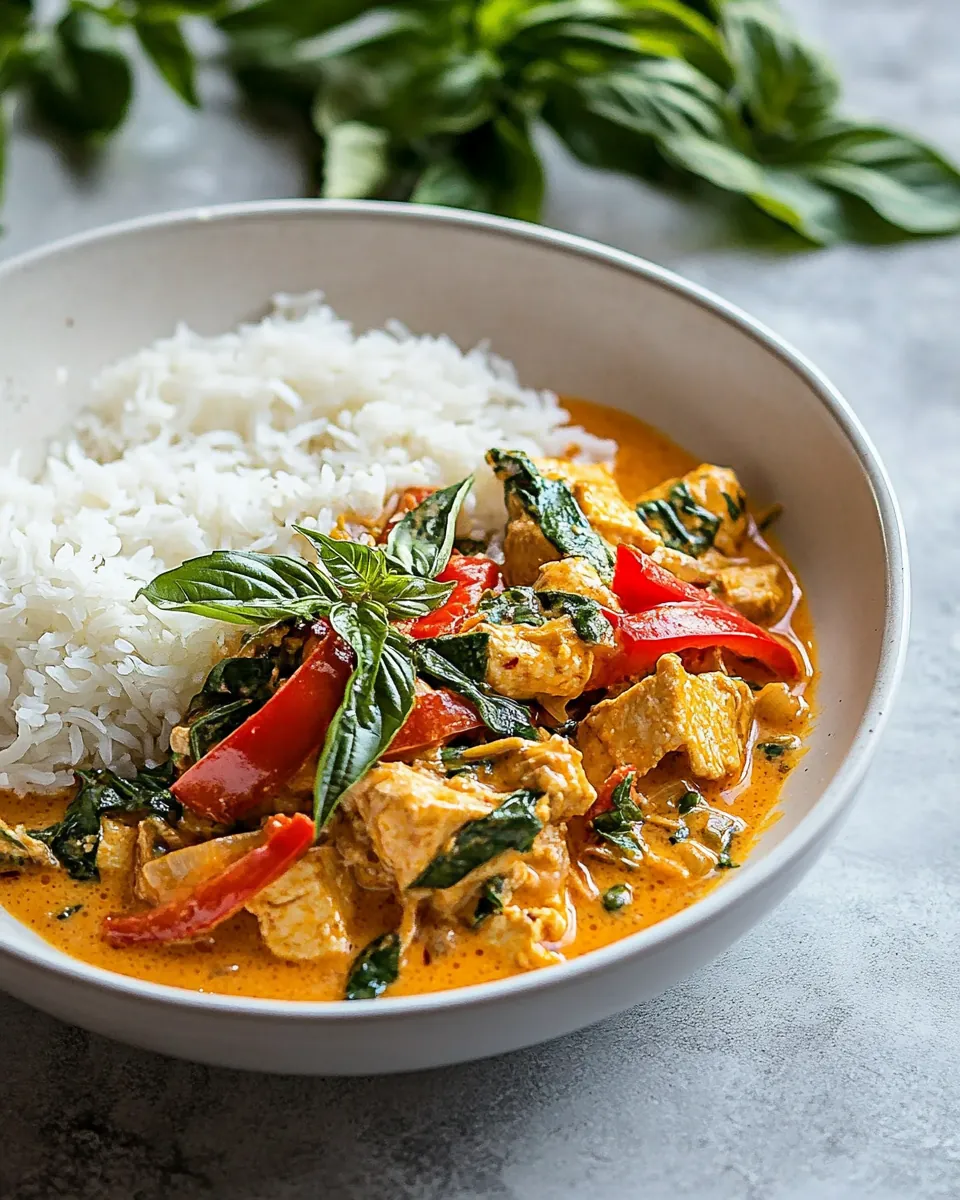
There are countless ways to enjoy Thai Panang Curry, making it a fun dish to experiment with. Here are some variations you can try!
- Add More Vegetables: Enhance the nutrition by adding extra vegetables like broccoli, carrots, or snap peas.
- Switch Up the Protein: For a vegetarian option, replace the chicken with firm tofu or chickpeas for a protein boost.
- Make it Vegan: To keep it vegan, ensure that the fish sauce is replaced with a vegan alternative or omit it entirely.
- Spice It Up: If you love heat, add sliced fresh chili peppers or a dash of chili flakes to the curry.
- Flavor Boost: Experiment with other seasonings such as ginger, lemongrass, or basil to add complexity to the flavor.
- Different Nuts: Try almond butter or cashew butter in place of peanut butter for a unique twist.
- Garnish Generously: Don’t forget to garnish with fresh herbs like cilantro or basil for an extra pop of flavor and presentation.
What Goes Well With This Thai Panang Curry
Pairing your Thai Panang Curry with complementary dishes can elevate the meal to a new level. Here are some ideas:
- Steamed Jasmine Rice: The fluffy texture of jasmine rice absorbs the curry’s flavors beautifully.
- Cauliflower Rice: For a low-carb option, serve the curry over cauliflower rice for a healthy twist.
- Quinoa: This protein-packed grain adds a nutty flavor that pairs wonderfully with the curry.
- Fresh Green Salad: A crisp salad with a tangy vinaigrette refreshes the palate and balances the richness of the curry.
- Spring Rolls: Serve with some fresh spring rolls for a delightful appetizer that complements the main dish.
- Seasonal Occasions: This curry is perfect for cozy family dinners, gatherings with friends, or even during festive celebrations.
- Drinks: Pair with coconut water or a refreshing iced tea to cleanse the palate between bites.
FAQ
Conclusion
Thai Panang Curry is truly a special dish that brings the flavors of Thailand right to your kitchen. Its rich, creamy sauce and balance of spices make it a comfort food favorite. I encourage you to try making this recipe and enjoy the delicious journey it brings to your dining table.
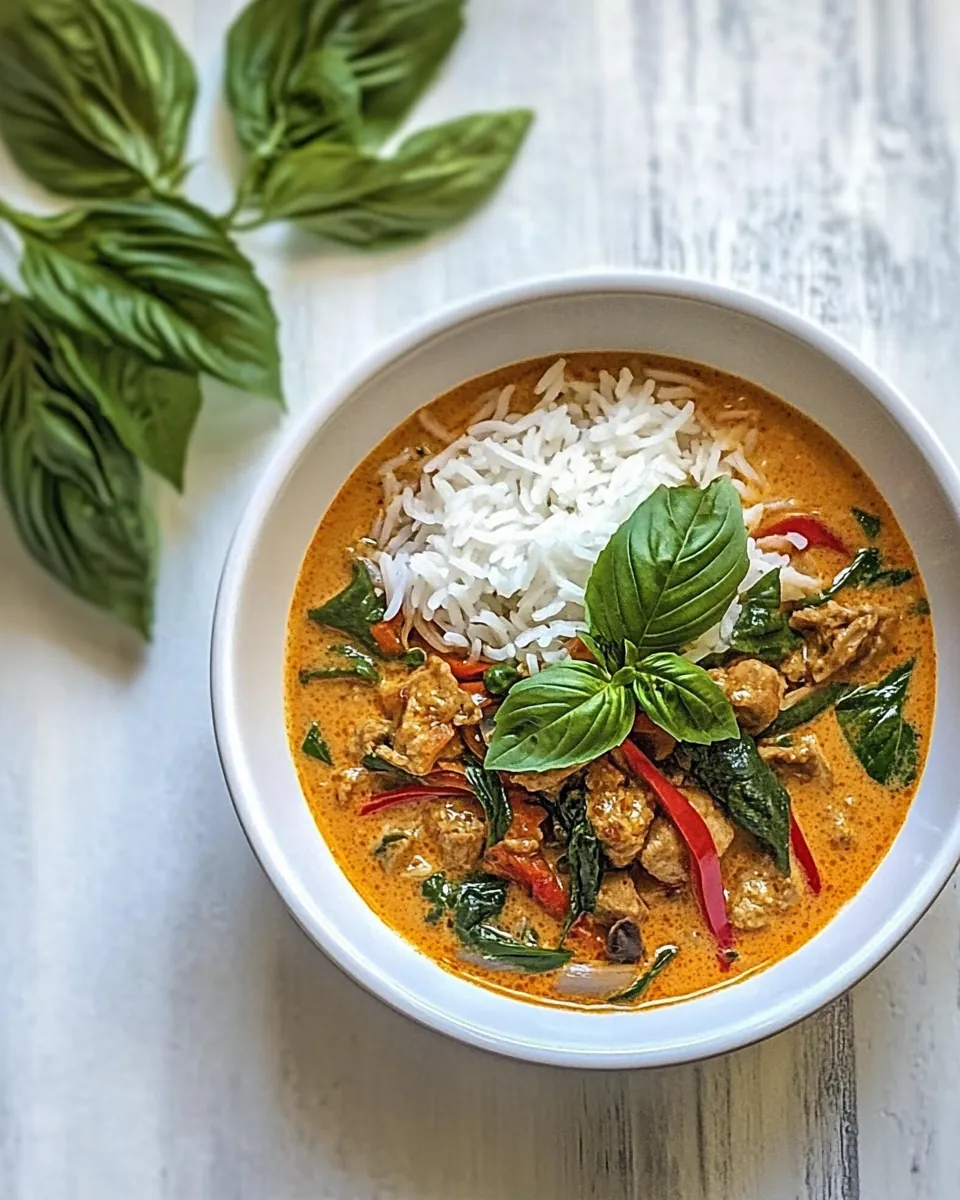
Thai Panang Curry
Ingredients
Equipment
Method
- Open a can of full-fat coconut milk and pour a small amount (about ¼ cup) into a large skillet or dutch oven. Add the onion and sauté until very fragrant and softened, about 5 to 8 minutes.
- Add the bell pepper and sauté an additional 2 minutes to soften.
- Add the remaining coconut milk, panang curry paste, peanut butter, coconut sugar, fish sauce, and sea salt and bring mixture to a full boil.
- Reduce heat to a simmer and cook 15 minutes to allow flavors to develop, stirring occasionally.
- While sautéing the onion and bell pepper, heat a separate skillet over medium-high and add about a tablespoon of coconut oil. Add the chopped chicken and brown on two sides, about 3 to 5 minutes.
- Cover this skillet and continue cooking until chicken is cooked through, about 3 to 5 minutes. Drain any excess liquid off of the chicken.
- Transfer the chicken to the skillet/pot with the curry mixture. Continue cooking at a gentle simmer for an additional 10 minutes to allow flavors to come together.
- Serve panang curry with your choice of rice, cauliflower rice, zucchini noodles, quinoa, etc.
Notes
- Storage: Store any leftovers in an airtight container in the fridge for up to 3 days.
- Freezing: You can freeze the curry for up to 2 months. Just thaw and reheat when you're ready to enjoy.
- Pairing: This curry pairs beautifully with jasmine rice or quinoa for a satisfying meal.
- Garnish: Add fresh herbs like cilantro or basil right before serving for an extra flavor boost.
- Adjust Spice: If you prefer a milder curry, start with less panang curry paste and adjust according to your taste.