
Sambal Asparagus
There’s something truly magical about the combination of spicy and fresh flavors in the Sambal Asparagus. I remember the first time I encountered this dish at a local market in Malaysia, where the vibrant colors and scents danced in the air. The allure of spicy sambal paired with crisp asparagus was irresistible. I couldn’t resist trying it, and I was instantly hooked! The way the heat of the sambal enhances the natural sweetness of the asparagus makes it a perfect side dish or even a light main course. Every time I prepare Sambal Asparagus, I’m transported back to that bustling market, filled with the sounds of vendors and the tantalizing aromas wafting through the air. It’s a dish that’s not just about nourishment; it’s about experience and memory, too.
Recipe Snapshot
15 mins
10 mins
5 mins
Medium
150 kcal
12 g
Keto, Paleo, Whole30
7 g
Skillet, Chef’s Knife, Wooden Spoon
What Makes This Sambal Asparagus Special
Flavor Explosion
The first reason to love Sambal Asparagus is its incredible flavor profile. The heat from the sambal is balanced perfectly with the fresh, green notes of asparagus. You get a delightful kick that dances on your taste buds, making every bite exciting.
Quick and Easy
Another aspect I adore is how quick and easy it is to prepare. In just a few minutes, you can whip up a delicious dish that feels gourmet but requires minimal effort. It’s perfect for busy weeknights or when you want to impress guests without spending hours in the kitchen.
Versatile Ingredient
Asparagus is a versatile vegetable that pairs well with many dishes. Whether served alongside grilled proteins, tossed into a salad, or enjoyed on its own, it’s a fantastic addition to a variety of meals. This means Sambal Asparagus can easily fit into any dining occasion.
Health Benefits
Don’t forget the nutritional perks! Asparagus is low in calories yet high in vitamins and minerals, including Vitamin K and folate. When you prepare it with sambal, you’re not just creating a flavorful dish; you’re also adding a healthy element to your meal.
A Touch of Culture
Lastly, making Sambal Asparagus allows you to bring a piece of Southeast Asian culture into your home. It serves as a wonderful introduction to the flavors of Malaysian cuisine, broadening your culinary horizons and inviting a bit of adventure to your dinner table.
Ingredients Overview for Sambal Asparagus
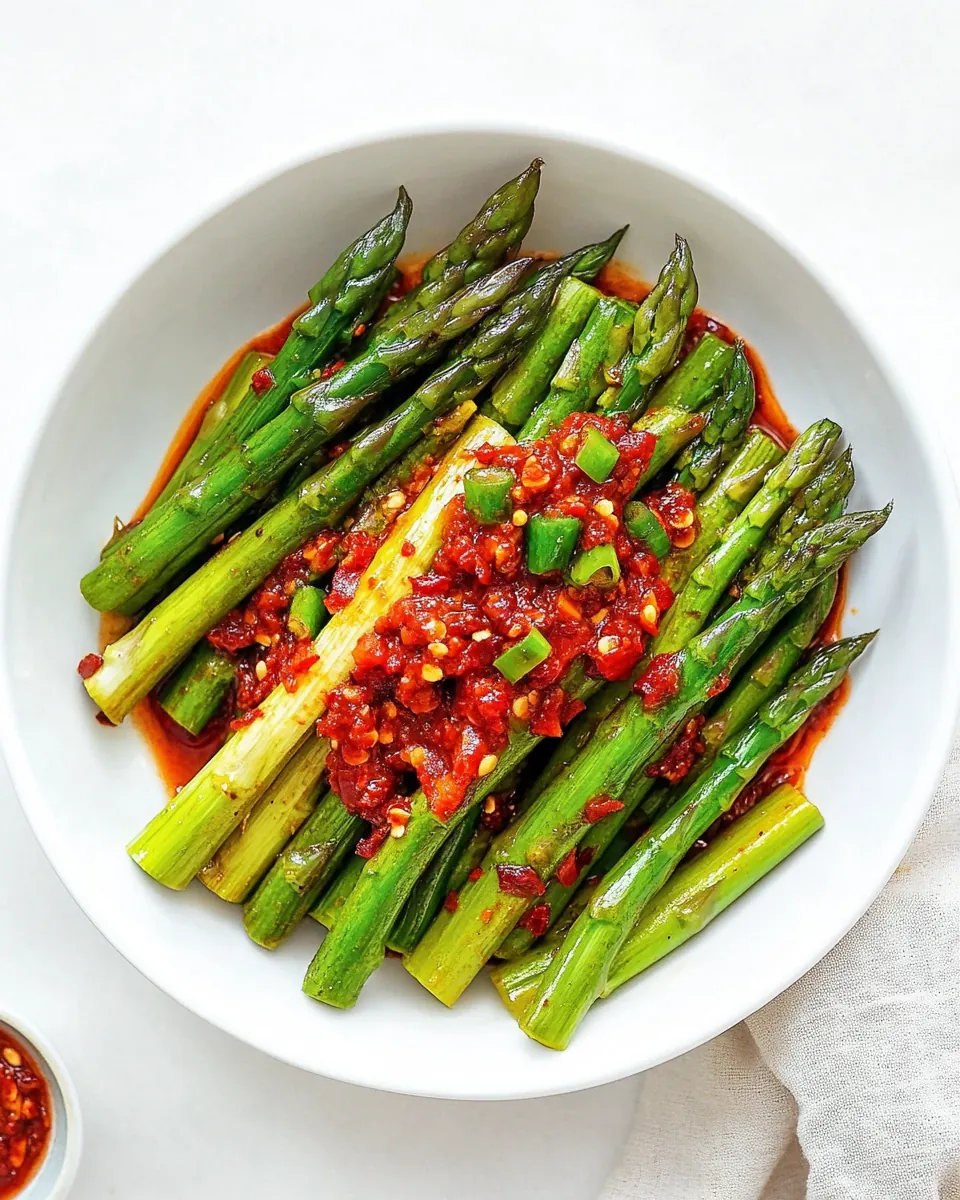
Using fresh, vibrant ingredients is key to making the best Sambal Asparagus. Each component plays an essential role in creating a harmonious dish. The star of this recipe is undoubtedly the asparagus, which brings a crisp texture and fresh flavor. Coupled with the spicy, rich sambal, this combination is enough to elevate any meal. Let’s dive into the ingredients that make this dish so special!
- 12 oz (375g) Asparagus: The main ingredient, providing a vibrant crunch and fresh taste.
- 2 tablespoons Oil: Essential for stir-frying, helping to cook the asparagus and shrimp while adding richness.
- 1 1/2 – 2 tablespoons Sambal: This spicy chili paste is the flavor powerhouse of the dish, offering heat and depth.
- 4 oz (125g) Shrimp: Adds protein and a delightful texture, balancing the dish with seafood flavor.
- 1/2 teaspoon Fish Sauce: Provides umami and enhances the overall flavor of the dish.
- 1/4 teaspoon Sugar: A hint of sweetness balances the heat from the sambal.
- 1-2 tablespoons Water: Helps to create steam during cooking, ensuring the asparagus remains tender-crisp.
Step by Step Instructions for Sambal Asparagus
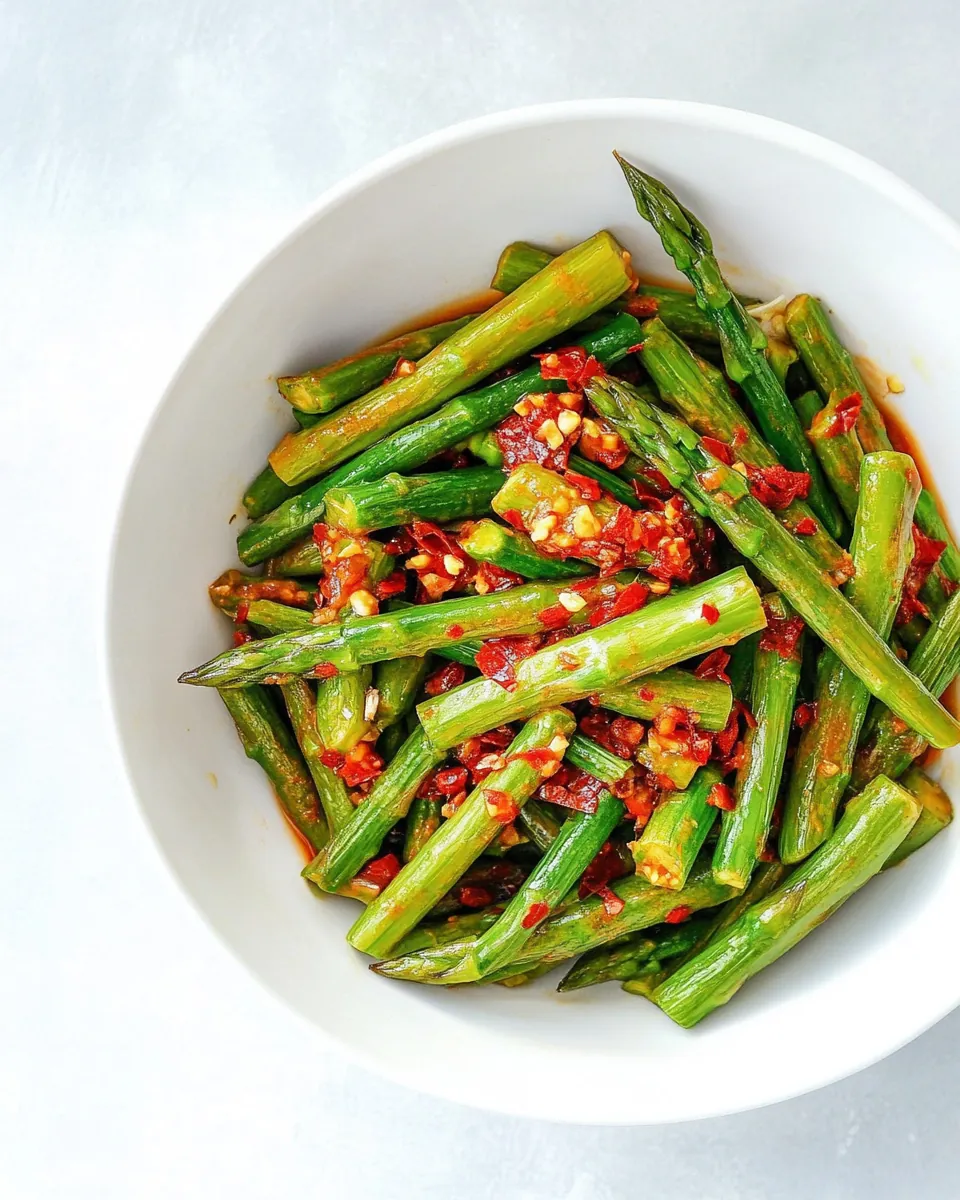
Now that we have our ingredients ready, let’s get cooking! The process of making Sambal Asparagus is straightforward and enjoyable. You’ll find that it comes together quickly, making it ideal for anyone looking to create something delicious without a fuss. Let’s dive into the steps!
Start by rinsing the asparagus under cold water to remove any dirt. This step is essential for ensuring your vegetables are clean and ready to eat.
Next, trim off about 1 to 1.5 inches (2.5 to 4 cm) from the tough ends of the asparagus stems. This will remove the fibrous parts that aren’t pleasant to eat.
Now, cut the remaining asparagus into manageable 2-inch (5 cm) lengths. This makes them easier to stir-fry and helps them cook evenly.
Set the prepared asparagus aside and heat 2 tablespoons of oil in a wok or a large skillet over medium-high heat. You want the oil to shimmer, indicating it’s hot enough for cooking.
Add the sambal to the hot oil and stir it around for a few seconds. You should start to smell the spicy aroma of the sambal wafting through your kitchen, signaling that it’s time to add the shrimp.
Introduce the shrimp into the wok, stirring thoroughly to coat them well with the sambal. The shrimp will cook quickly, about 2 to 3 minutes until they turn pink and opaque.
Once the shrimp are mostly cooked, add the cut asparagus along with the fish sauce, sugar, and 1-2 tablespoons of water. Stir everything together, ensuring the asparagus gets well coated in the sambal.
Continue stir-frying for about 1 minute or until the asparagus is just tender but still bright green and crisp. Be careful not to overcook; you want them to retain their vibrant color and texture.
Finally, remove the wok from the heat and serve the Sambal Asparagus hot. It’s best enjoyed fresh, so gather your loved ones and dig in!
Things Worth Knowing
- Maintain Crispness: Stir-frying for a short time keeps the asparagus crisp and bright. Avoid overcooking to retain nutrients.
- Fresh Ingredients Matter: Using fresh asparagus and quality sambal enhances flavor. Opt for seasonal, local produce when possible.
- Flavor Balance: Adjust sambal according to your heat tolerance. You can always add more, but it’s hard to tone down the spice once added.
- Wok Heat: Make sure your wok or skillet is hot before adding ingredients. This prevents steaming and promotes proper stir-frying.
Tips and Variations
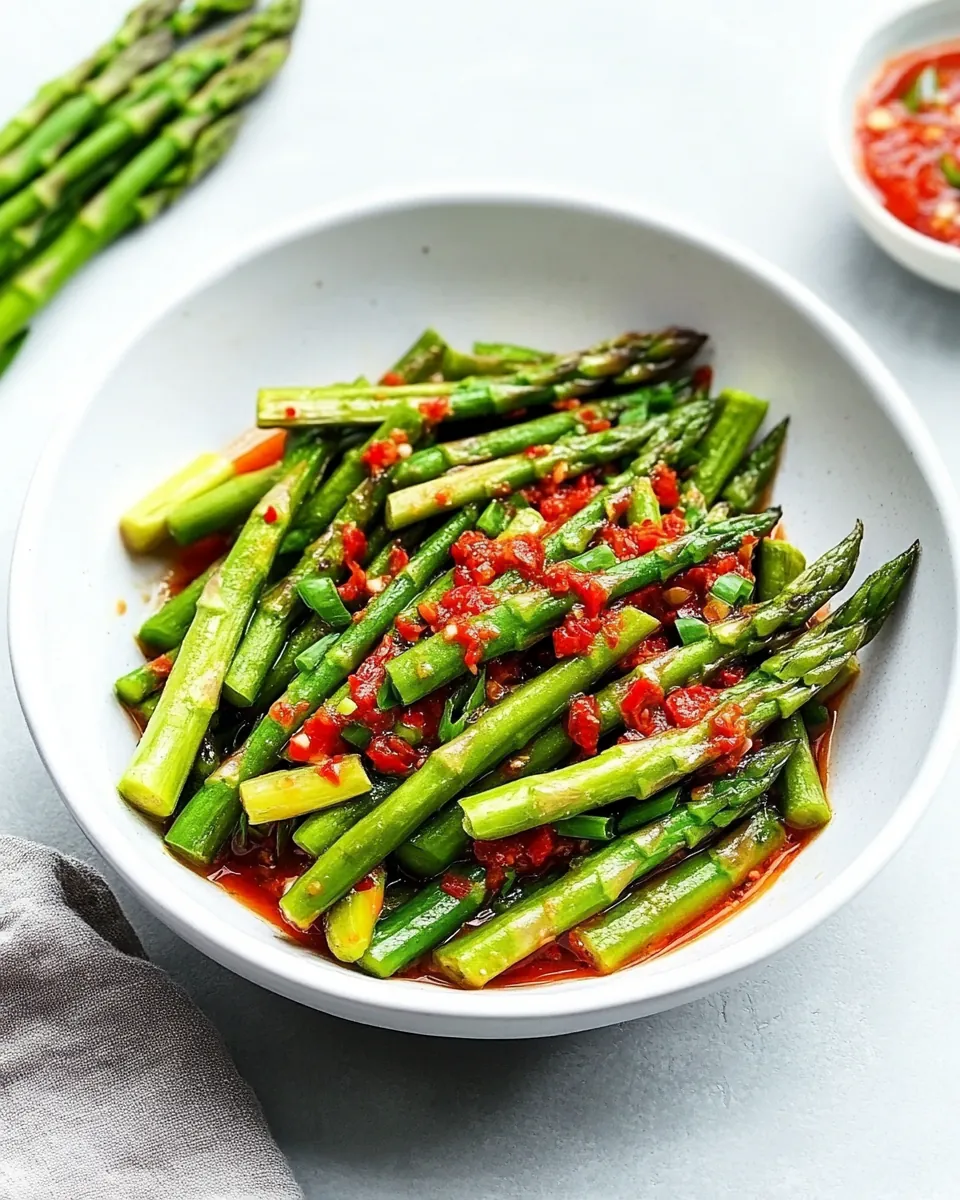
While Sambal Asparagus is delightful as is, there are plenty of ways to make it your own. Experimenting with flavors and serving styles can lead to exciting variations!
- Storage: Store leftovers in an airtight container in the refrigerator for up to 2 days. Reheat gently to avoid overcooking the asparagus.
- Freezing: Although not ideal, you can freeze cooked Sambal Asparagus. Just be aware it may lose some texture upon thawing.
- Pairing: This dish pairs beautifully with jasmine rice or quinoa, providing a hearty base to absorb the flavors.
- Spice Level: Adjust the amount of sambal according to your taste preference. If you like it spicy, don’t hold back!
- Vegetarian Option: Omit the shrimp and add tofu for a vegetarian version. You can also use other veggies like bell peppers or broccoli.
- Garnish: Top with sesame seeds or chopped cilantro for an extra touch of flavor and presentation.
- Serving Style: Serve as a side dish or light main course for lunch or dinner. It’s a great option for gatherings!
Serving This Sambal Asparagus
When it comes to serving Sambal Asparagus, there are endless possibilities to elevate your meal experience. Here are some delightful ideas:
- As a Side Dish: Pair Sambal Asparagus with grilled chicken or fish for a colorful plate. The heat contrasts beautifully with the savory proteins.
- Lunch Bowl: Load it into a lunch bowl with quinoa, mixed greens, and your choice of protein for a filling and nutritious meal.
- Festive Gatherings: Serve during special occasions like Ramadan or family dinners. The vibrant colors and spicy flavors are sure to impress your guests.
- Storage Tips: If you have leftovers, store them in an airtight container. They’re excellent when reheated, but enjoy them fresh for the best flavor.
- Seasonal Pairings: Complement with fresh summer salads or hearty winter stews. The versatility of asparagus means it fits into any seasonal menu.
- Drinks: Pair with refreshing beverages like iced tea or lemonade to balance the spice in the dish.
- Presentation: For an impressive serving, plate the Sambal Asparagus on a colorful platter and garnish with sesame seeds or fresh herbs.
FAQ
Conclusion
Sambal Asparagus is a vibrant dish that encapsulates the exciting flavors of Malaysian cuisine, combining the freshness of asparagus with the rich spice of sambal. Its quick preparation and delicious taste make it an appealing choice for any meal. I encourage you to try making it yourself and experience the burst of flavors that will surely delight your palate. Enjoy the journey of cooking this delightful dish!
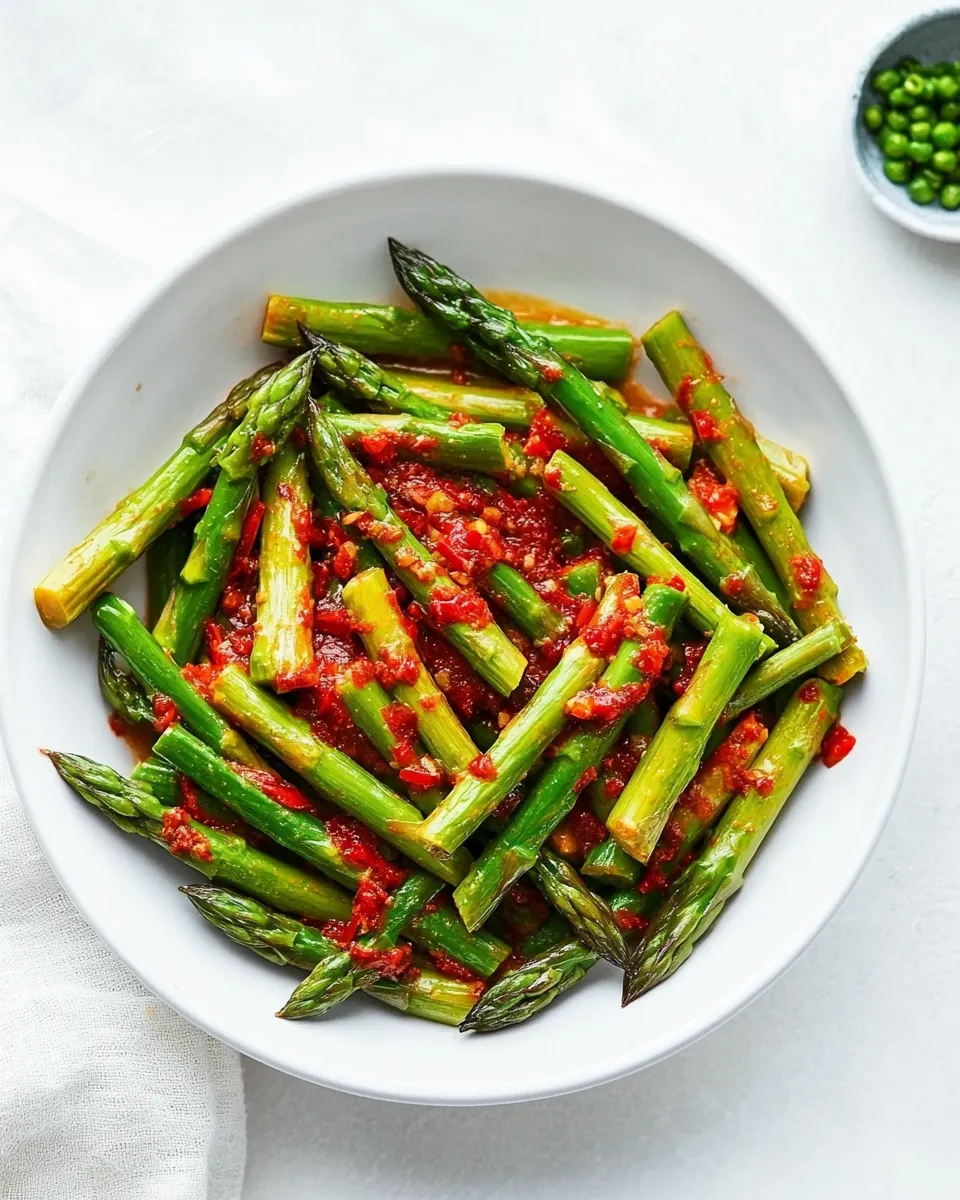
Sambal Asparagus
Ingredients
Equipment
Method
- Start by rinsing the asparagus under cold water to remove any dirt. This step is essential for ensuring your vegetables are clean and ready to eat.
- Next, trim off about 1 to 1.5 inches (2.5 to 4 cm) from the tough ends of the asparagus stems. This will remove the fibrous parts that aren’t pleasant to eat.
- Now, cut the remaining asparagus into manageable 2-inch (5 cm) lengths. This makes them easier to stir-fry and helps them cook evenly.
- Set the prepared asparagus aside and heat 2 tablespoons of oil in a wok or a large skillet over medium-high heat. You want the oil to shimmer, indicating it’s hot enough for cooking.
- Add the sambal to the hot oil and stir it around for a few seconds. You should start to smell the spicy aroma of the sambal wafting through your kitchen, signaling that it’s time to add the shrimp.
- Introduce the shrimp into the wok, stirring thoroughly to coat them well with the sambal. The shrimp will cook quickly, about 2 to 3 minutes until they turn pink and opaque.
- Once the shrimp are mostly cooked, add the cut asparagus along with the fish sauce, sugar, and 1-2 tablespoons of water. Stir everything together, ensuring the asparagus gets well coated in the sambal.
- Continue stir-frying for about 1 minute or until the asparagus is just tender but still bright green and crisp. Be careful not to overcook; you want them to retain their vibrant color and texture.
- Finally, remove the wok from the heat and serve the Sambal Asparagus hot. It’s best enjoyed fresh, so gather your loved ones and dig in!
Notes
- Tradition: Traditionally, sambal is prepared fresh or bought ready-made from wet markets in Malaysia, and used immediately for cooking.
- Convenience: In the US, I prefer making sambal in advance so I can store it in the refrigerator for convenience.
- Chili Variations: Use more dried chilies to extend its shelf life. Fresh chilies lend a vibrant red color, whereas dried chilies appear duller.
- Optimal Tenderness: Trim and peel the asparagus as needed for optimal tenderness.
- Crisp Cooking: Stir-fry the asparagus briefly to keep it crisp and green.