Pad Thai
When I think of comfort food, Pad Thai immediately comes to mind. It’s not just a dish; it’s a beautiful blend of flavors that takes me back to my travels through Thailand, where the streets burst with tantalizing aromas. I remember the first time I tried it; the noodles were perfectly stir-fried, the shrimp succulent, and the tamarind sauce had a tang and sweetness that danced on my tongue. This isn’t just a meal; it’s an experience to be shared. Every bite brings back memories of bustling markets, friendly smiles, and the joy of eating something made with love. Whether enjoyed on a busy weeknight or served at a cozy gathering, Pad Thai has a way of uniting everyone at the table. It’s a dish that whispers, ‘Let’s celebrate together.’
Recipe Snapshot
40 mins
25 mins
15 mins
Medium
525 kcal
23 g
Whole30, Gluten-Free, Low FODMAP
10 g
Skillet, Frying Pan, Large Pot, Whisk, Grater, Chef’s Knife, Wooden Spoon
Why Try This Pad Thai
It’s a One-Pan Wonder
One of the reasons I adore Pad Thai is its simplicity. Everything comes together in one pan, making it perfect for those evenings when you just want to enjoy a great meal without the fuss of multiple dishes. You can whip it up quickly, and the cleanup is a breeze!
Customizable to Your Taste
The beauty of Pad Thai lies in its versatility. You can easily swap out ingredients based on your preferences or what you have on hand. Whether you prefer shrimp, tofu, or just a medley of vegetables, this dish accommodates all variations, making it a canvas for your culinary creativity.
Rich in Flavor
With the combination of tamarind, fish sauce, and a sprinkle of peanuts, Pad Thai delivers a robust flavor profile that’s hard to resist. Each element plays a role, and the balance of sweet, sour, salty, and nutty is something that lingers in your memory long after the last bite.
A Nutritional Powerhouse
Rich in protein from shrimp and tofu, Pad Thai also provides a healthy dose of vegetables. You’re not just indulging; you’re nourishing your body with a dish that’s both satisfying and wholesome. It’s a perfect way to enjoy a delicious meal while still being mindful of your health.
Perfect for Any Occasion
Whether it’s a casual dinner at home or a festive gathering with friends, Pad Thai fits the bill. Everyone loves it, and it never fails to impress. It’s a dish that brings people together, making your dining experience truly special.
Shopping List for Pad Thai
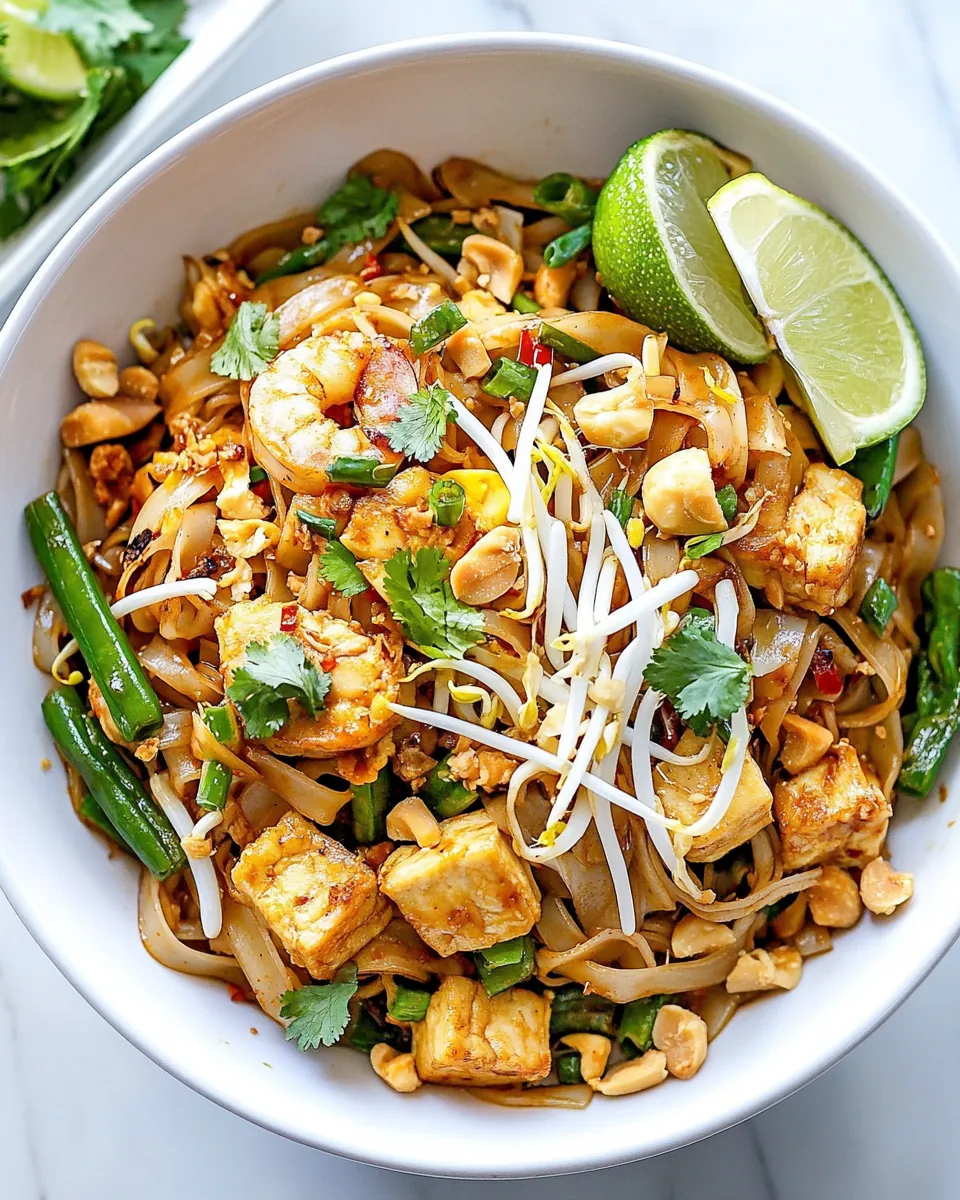
Gathering the right ingredients is essential for creating a wonderful Pad Thai. Each component plays a critical role in achieving that authentic taste. The combination of fresh ingredients, like bean sprouts and green onions, melds beautifully with the rich flavors of the sauces. When you bring these ingredients together, you set the stage for a delightful culinary experience.
- ½ cup hot water, plus 3 tablespoons warm water
- 2 tablespoons tamarind paste
- 3 tablespoons sugar
- 3 tablespoons fish sauce
- 1 tablespoon rice vinegar
- 1 teaspoon chili powder
- 8 ounces ¼” flat rice stick noodles
- 3 tablespoons vegetable or canola oil
- 3 cloves garlic, pressed or grated
- 8 ounces medium size shelled and deveined shrimp, 41/50 per pound
- 8 ounces firm tofu, drained and cut into ½” cubes
- 2 eggs, lightly whisked
- 1 ½ cups bean sprouts
- 3 green onions, chopped, about ½ cup
- ? cup chopped peanuts
How to Prepare Pad Thai
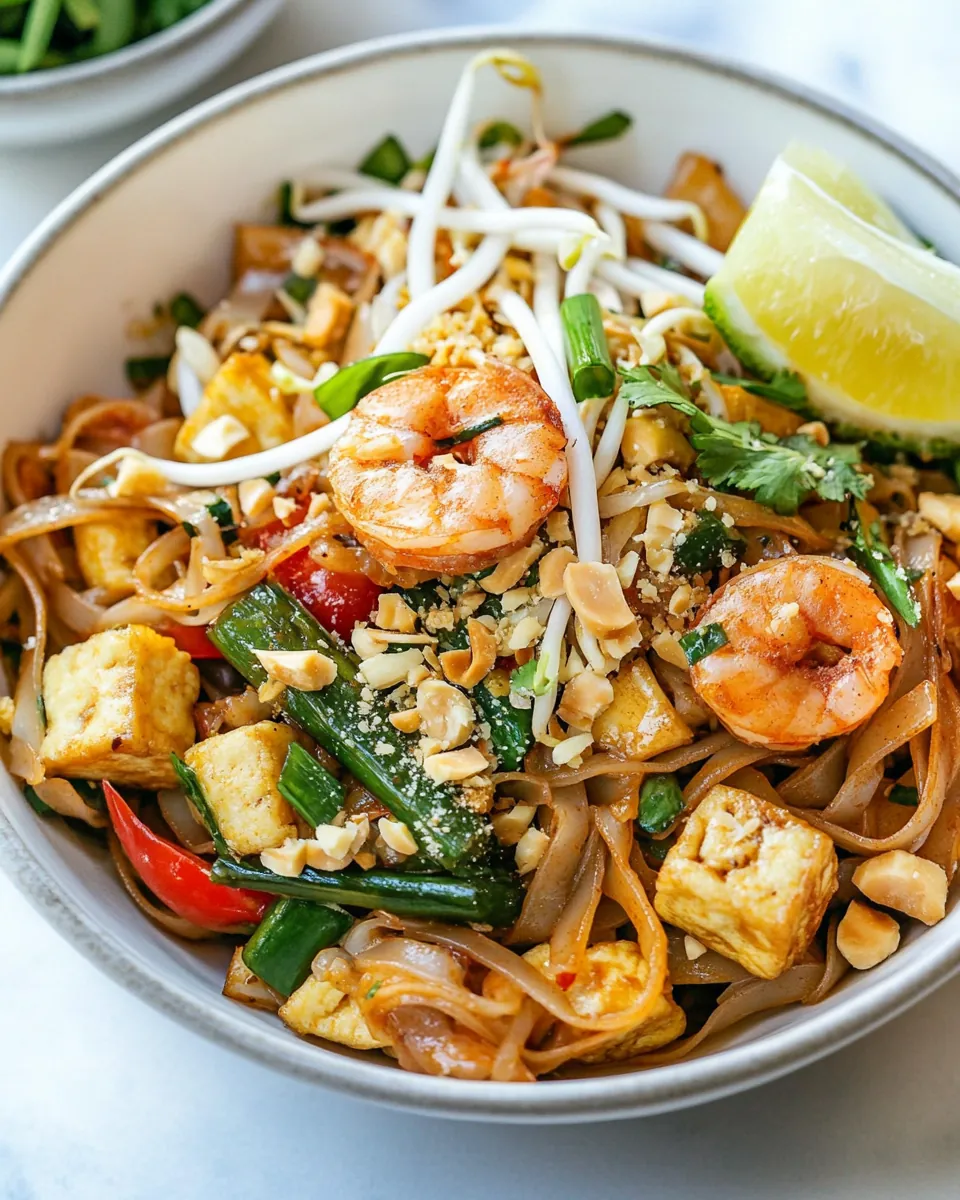
Making Pad Thai is a rewarding experience, and I love how quickly it comes together. You’ll be amazed at how the flavors meld and create a dish that rivals any restaurant. Ready your ingredients, and let’s get started!
- Start by placing the tamarind paste in a small bowl. Pour in ½ cup of hot water, allowing it to soak for about 10 minutes. This helps soften the paste, making it easier to work with. You’ll want to massage the pods with your fingers, squeezing out all the juice from the fiber. The color should be dark and thick, a sign that the tamarind is extracting all its flavors.
- Once the juice is ready, discard any remaining fiber and strain the tamarind juice into a medium bowl. Now whisk in the remaining 3 tablespoons of warm water, sugar, fish sauce, and chili powder until the sugar dissolves. Set this flavorful mixture aside; it’s essential for your dish.
- Next, take your rice stick noodles and place them in a baking dish. Cover them with boiled water and let them sit for about 20 minutes. Stir occasionally to ensure they don’t stick together. You want the noodles to be firm yet pliable, as they will soften further during stir-frying.
- Now it’s time to heat up a large skillet or wok. Pour in 2 tablespoons of oil and crank up the heat to high. Add the garlic and cook for about 1 minute until it becomes aromatic, making sure to stir constantly to avoid burning.
- Add the shrimp and tofu to the skillet, stirring as the shrimp starts to change color. You’ll notice the shrimp turning a lovely pink, which typically takes about 2 to 3 minutes. When it looks halfway cooked, it’s time to add the drained noodles.
- After adding the noodles, continue to stir-fry for another 30 seconds. This ensures that the noodles mix well with the shrimp and tofu, allowing those delicious flavors to intertwine.
- Now, move everything to one side of the pan. Drizzle in the remaining 1 tablespoon of oil and let it heat up. Once it’s hot, pour in the whisked eggs. Allow them to cook for about 20 seconds undisturbed, then scramble them gently. Combine everything in the pan, ensuring the eggs are well mixed.
- Add the bean sprouts and the tamarind sauce. Stir continuously until the noodles soften and everything is well coated in the sauce. This step is essential; it’s where the magic happens.
- Finally, fold in the green onions and peanuts, mixing thoroughly. Once everything is well combined, remove it from the heat. Serve immediately with lime wedges on the side for that burst of freshness.
Things Worth Knowing
- Use high heat: Ensure your skillet or wok is hot enough to get that beautiful stir-fried texture.
- Don’t overcook the shrimp: Keep an eye on the shrimp; they cook quickly and should be tender and pink.
- Adjust your sauce: Feel free to tweak the sauce ingredients to balance sweetness and sourness according to your taste.
- Prep ingredients in advance: Having everything ready to go makes the cooking process smooth and quick.
How to Switch It Up
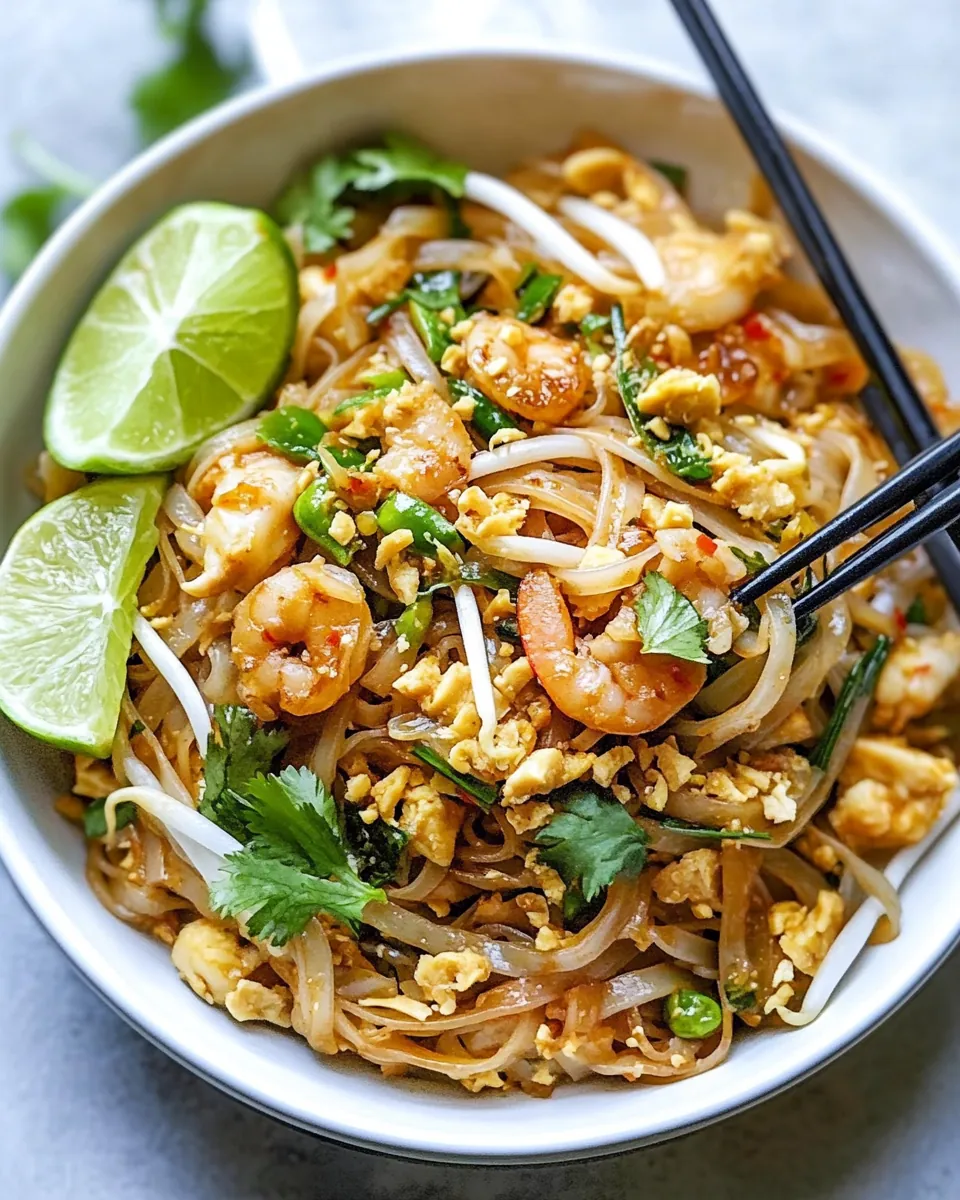
If you’re looking to add your own twist to Pad Thai, here are some fantastic ideas to explore.
- Storage: If you have leftovers, store them in an airtight container in the fridge for up to three days. Reheat gently to avoid overcooking the noodles.
- Freezing: You can freeze Pad Thai for up to a month. Just make sure to separate the noodles and sauce when freezing.
- Pairing: This dish goes wonderfully with a light salad or some spring rolls for a complete meal.
- Vegetarian option: You can make a delicious vegetarian version by using only tofu and adding more vegetables.
- Spice it up: If you love heat, feel free to add more chili powder or fresh chili slices to the dish.
Serving This Pad Thai
When it comes to serving Pad Thai, the possibilities are endless. Here are some ideas:
- Perfect for lunch: Enjoy it as a quick and satisfying lunch option; it’s great reheated.
- Dinner delight: Serve it as a delightful dinner option for family or friends.
- Festive occasions: It’s a great dish for gatherings and parties, sure to impress your guests.
- Pair with beverages: A refreshing iced tea or coconut water complements Pad Thai beautifully.
- Garnishes: Top with more crushed peanuts or fresh herbs like cilantro for extra flavor.
- Seasonal touch: Feel free to add seasonal vegetables to keep it fresh and exciting.
FAQ
Conclusion
Pad Thai is remarkable for its vibrant flavors and easy adaptability, making it a favorite in many households. I encourage you to give this dish a try; it’s not only satisfying but also a fun way to explore Thai cuisine right in your kitchen. With its delightful combination of ingredients and textures, you’ll find it hard to resist making it again and again. Enjoy cooking and sharing this delicious experience with friends and family!
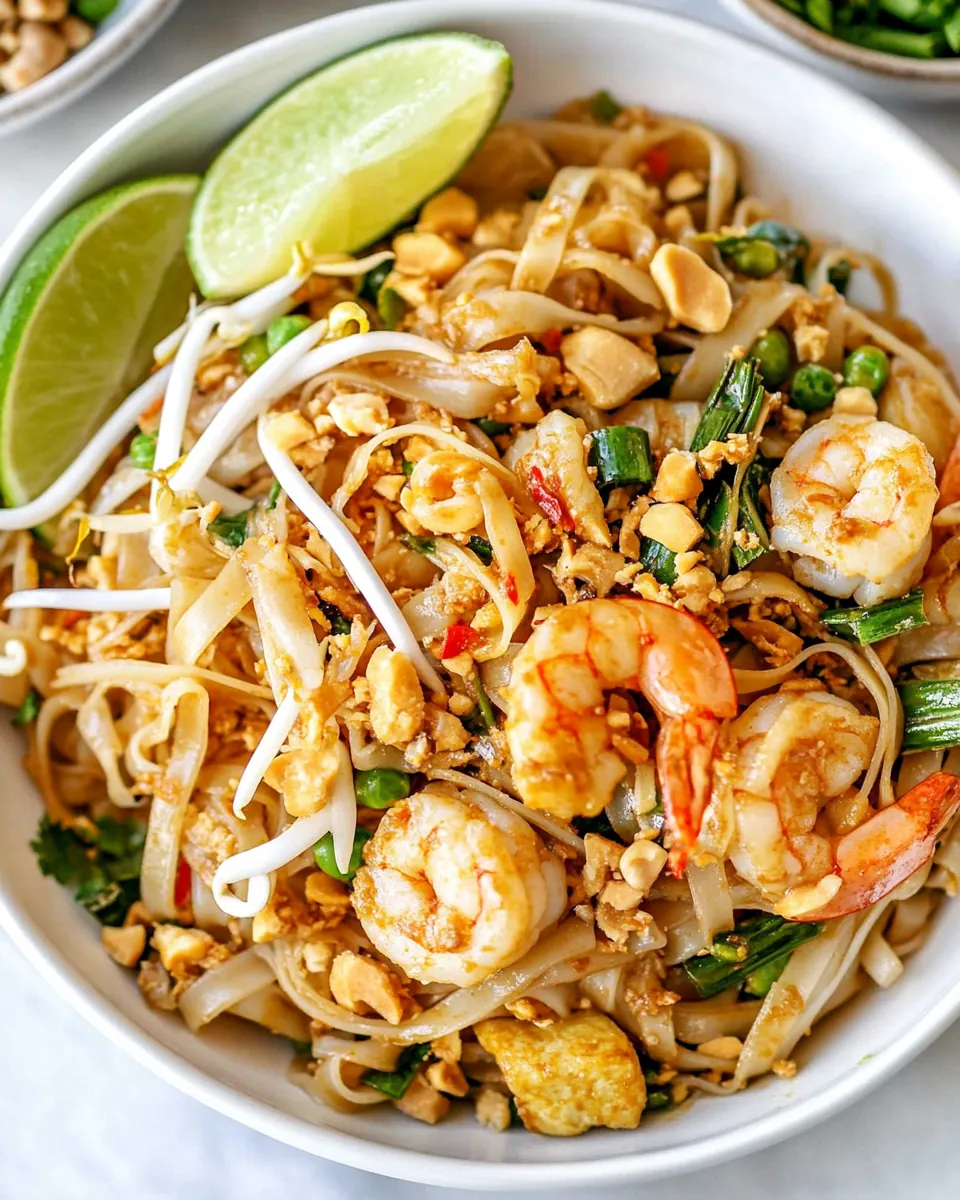
Pad Thai
Ingredients
Equipment
Method
- Start by placing the tamarind paste in a small bowl. Pour in ½ cup of hot water, allowing it to soak for about 10 minutes. This helps soften the paste, making it easier to work with. You’ll want to massage the pods with your fingers, squeezing out all the juice from the fiber. The color should be dark and thick, a sign that the tamarind is extracting all its flavors.
- Once the juice is ready, discard any remaining fiber and strain the tamarind juice into a medium bowl. Now whisk in the remaining 3 tablespoons of warm water, sugar, fish sauce, and chili powder until the sugar dissolves. Set this flavorful mixture aside; it’s essential for your dish.
- Next, take your rice stick noodles and place them in a baking dish. Cover them with boiled water and let them sit for about 20 minutes. Stir occasionally to ensure they don’t stick together. You want the noodles to be firm yet pliable, as they will soften further during stir-frying.
- Now it’s time to heat up a large skillet or wok. Pour in 2 tablespoons of oil and crank up the heat to high. Add the garlic and cook for about 1 minute until it becomes aromatic, making sure to stir constantly to avoid burning.
- Add the shrimp and tofu to the skillet, stirring as the shrimp starts to change color. You’ll notice the shrimp turning a lovely pink, which typically takes about 2 to 3 minutes. When it looks halfway cooked, it’s time to add the drained noodles.
- After adding the noodles, continue to stir-fry for another 30 seconds. This ensures that the noodles mix well with the shrimp and tofu, allowing those delicious flavors to intertwine.
- Now, move everything to one side of the pan. Drizzle in the remaining 1 tablespoon of oil and let it heat up. Once it's hot, pour in the whisked eggs. Allow them to cook for about 20 seconds undisturbed, then scramble them gently. Combine everything in the pan, ensuring the eggs are well mixed.
- Add the bean sprouts and the tamarind sauce. Stir continuously until the noodles soften and everything is well coated in the sauce. This step is essential; it’s where the magic happens.
- Finally, fold in the green onions and peanuts, mixing thoroughly. Once everything is well combined, remove it from the heat. Serve immediately with lime wedges on the side for that burst of freshness.