Balsamic Asparagus
Whenever spring rolls around, I find myself craving fresh vegetables, and there’s nothing quite like the vibrant taste of Balsamic Asparagus. As a child, I remember helping my grandmother in the kitchen, eagerly waiting for her to finish her famous asparagus dish. The aroma of the olive oil and the tangy scent of balsamic vinegar filled the air, instantly lifting our spirits. Fast forward to today, and I am thrilled to recreate those memories with my own twist. The secret lies in the sweet yet tangy balsamic brown butter that drizzles over the perfectly roasted asparagus. This dish not only celebrates the flavors of spring but also serves as a quick side that pairs wonderfully with any main course. Whether it’s a weeknight dinner or a gathering with friends, Balsamic Asparagus is sure to impress everyone at the table.
Recipe Snapshot
15 mins
5 mins
10 mins
Medium
70 kcal
2 g
Keto, Whole30, Vegan
5 g
Baking Sheet, Skillet, Wooden Spoon, Oven
Why You Need This Balsamic Asparagus
It’s Incredibly Easy to Make
The simplicity of Balsamic Asparagus is one of its biggest draws. With just a handful of ingredients, you can whip up a delightful side dish that looks and tastes gourmet. You really don’t need to be a culinary expert to achieve great results!
Fresh Ingredients Shine
The star of this dish is, of course, the asparagus. When cooked just right, it turns tender while still maintaining a delightful crunch. Pairing it with olive oil and balsamic vinegar enhances its natural flavors, making each bite a refreshing experience.
Perfect for Any Occasion
Be it a family dinner or a festive gathering, Balsamic Asparagus is a versatile dish. It complements a variety of mains—from grilled chicken to roasted vegetables—making it a great addition to any meal. Plus, its vibrant color makes it visually appealing!
Healthier Side Dish
In a world where rich and heavy sides often take center stage, Balsamic Asparagus stands out as a light and healthy option. Packed with nutrients and low in calories, this dish allows you to enjoy the flavors without the guilt.
Impressive Presentation
There’s something about the elegant presentation of Balsamic Asparagus that can impress guests without requiring much effort. The bright green of the asparagus against the glossy brown of the balsamic glaze creates a stunning contrast on your plate.
Customizable to Your Liking
You can easily make Balsamic Asparagus your own! Add toppings like toasted nuts or sprinklings of cheese for an extra flavor dimension, or toss in some herbs for a fresh twist. The options are endless!
Everything You Need for Balsamic Asparagus
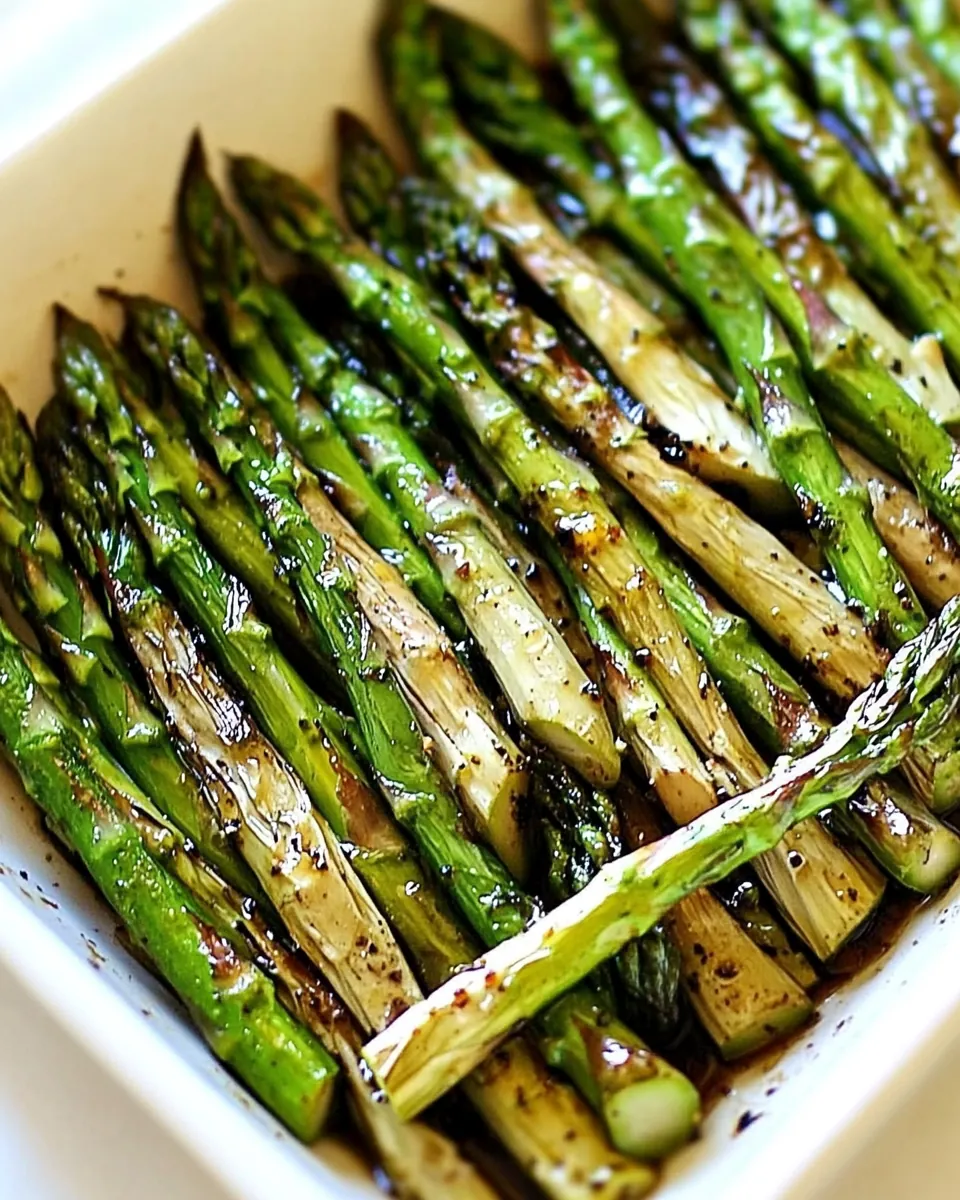
The ingredients for Balsamic Asparagus are not only easy to find but also work beautifully together to create a delightful dish. Each component plays a crucial role in enhancing the flavor and texture, making this recipe a must-try.
- 50 asparagus spears, ends trimmed (1 large bunch): Fresh and tender, asparagus is the hero of this dish. It adds a vibrant green color and a satisfying crunch.
- Olive oil: A key ingredient that helps in roasting the asparagus while adding a rich flavor.
- 2 tablespoons butter: When melted, it brings a luscious richness to the dish.
- 2 teaspoons low sodium soy sauce: This adds an umami depth to the dish, balancing its flavors perfectly.
- 1 teaspoon balsamic vinegar: Adds a tangy sweetness that enhances the overall taste.
- Freshly cracked salt and pepper: Essential for seasoning and bringing out the flavors of the asparagus.
- Optional: Caramelized nuts for garnish can add a delightful crunch and sweetness.
Balsamic Asparagus Instructions
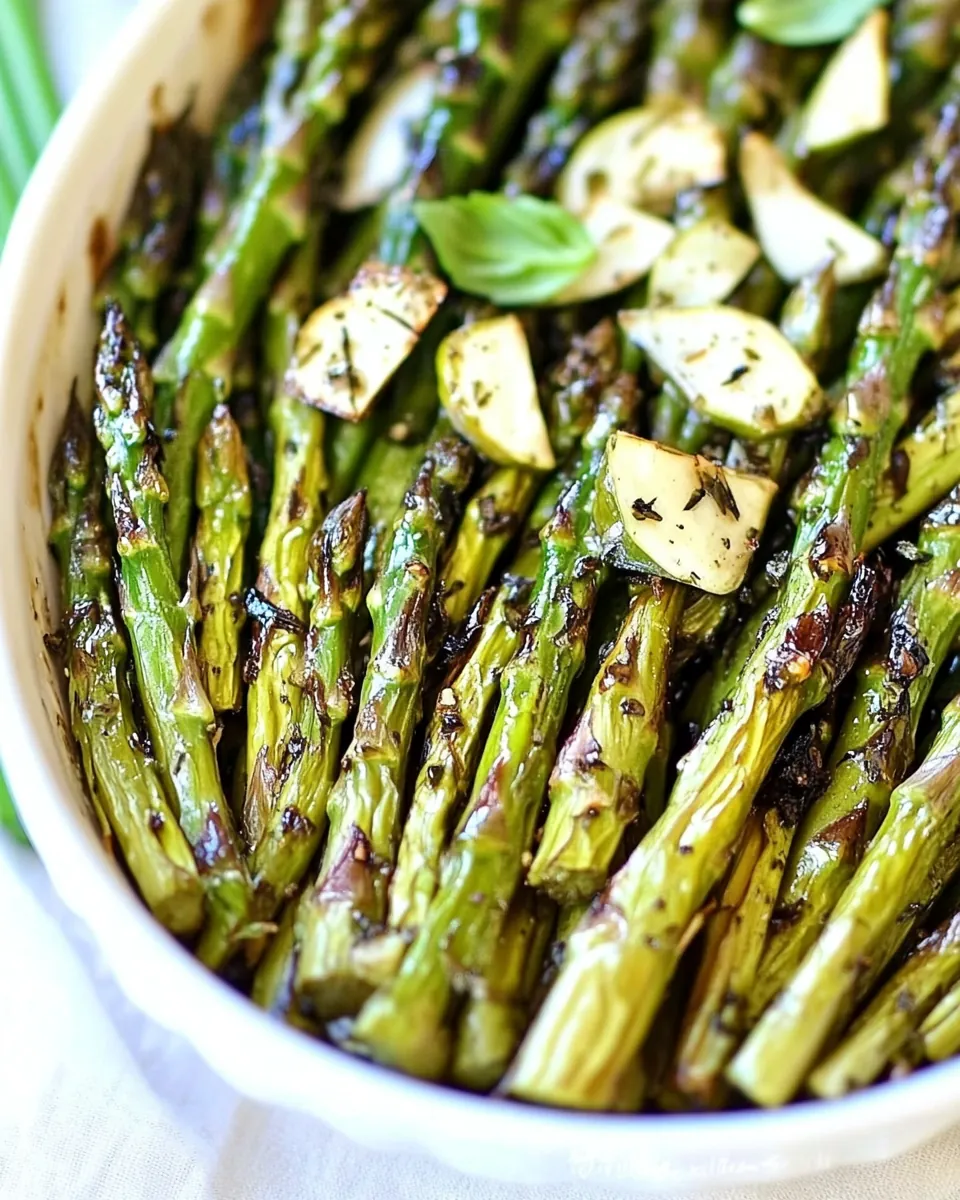
Cooking Balsamic Asparagus is a breeze! You’ll see just how simple it is to create a stunning side dish that will leave everyone wanting more. Follow these steps carefully to ensure the best results.
- Preheat your oven to 400°F (200°C). This temperature is ideal for roasting the asparagus quickly while giving it a nice golden color.
- Take your trimmed asparagus and spread it out on a large baking sheet. Drizzle lightly with olive oil and use your hands to toss it, ensuring every spear is evenly coated. This step is crucial for achieving an even roast.
- Season the asparagus generously with freshly cracked salt and pepper. Don’t be shy! Seasoning helps elevate the natural flavors of the vegetables.
- Now, arrange the asparagus in a single layer on the baking sheet. This allows them to roast evenly and become beautifully crisp.
- Place the baking sheet in the preheated oven and roast the asparagus for 8 to 10 minutes. You want them to be tender yet still crisp, so keep an eye on them!
- While the asparagus is roasting, grab a small skillet and melt butter over medium heat. Allow it to melt slowly, stirring occasionally to prevent burning.
- After the butter has melted, continue cooking it for approximately 3 minutes until it becomes lightly browned and fragrant. Be sure to stir constantly to avoid any bitterness.
- Once browned, remove the skillet from the heat and stir in soy sauce and balsamic vinegar. This mixture will create a delicious glaze for the asparagus.
- When the asparagus is done roasting, remove it from the oven and drizzle the balsamic brown butter over it. Toss the asparagus gently to coat them evenly in the sauce.
- If desired, garnish with orange zest and some caramelized nuts for an extra touch of flavor and texture. Serve immediately and enjoy your stunning Balsamic Asparagus!
Things Worth Knowing
- Choosing Fresh Asparagus: Look for firm, bright green spears with closed tips. Avoid any that appear limp or have yellowing.
- Roasting Temperature: Roasting at a high temperature helps to achieve that perfect crispy texture. Don’t reduce the heat!
- Butter Browning: Watch closely while browning the butter. The moment it changes color, it can go from perfect to burnt in seconds.
- Serving Temperature: Balsamic Asparagus is best served warm. If it cools down, the texture can become less appealing.
Customization Ideas
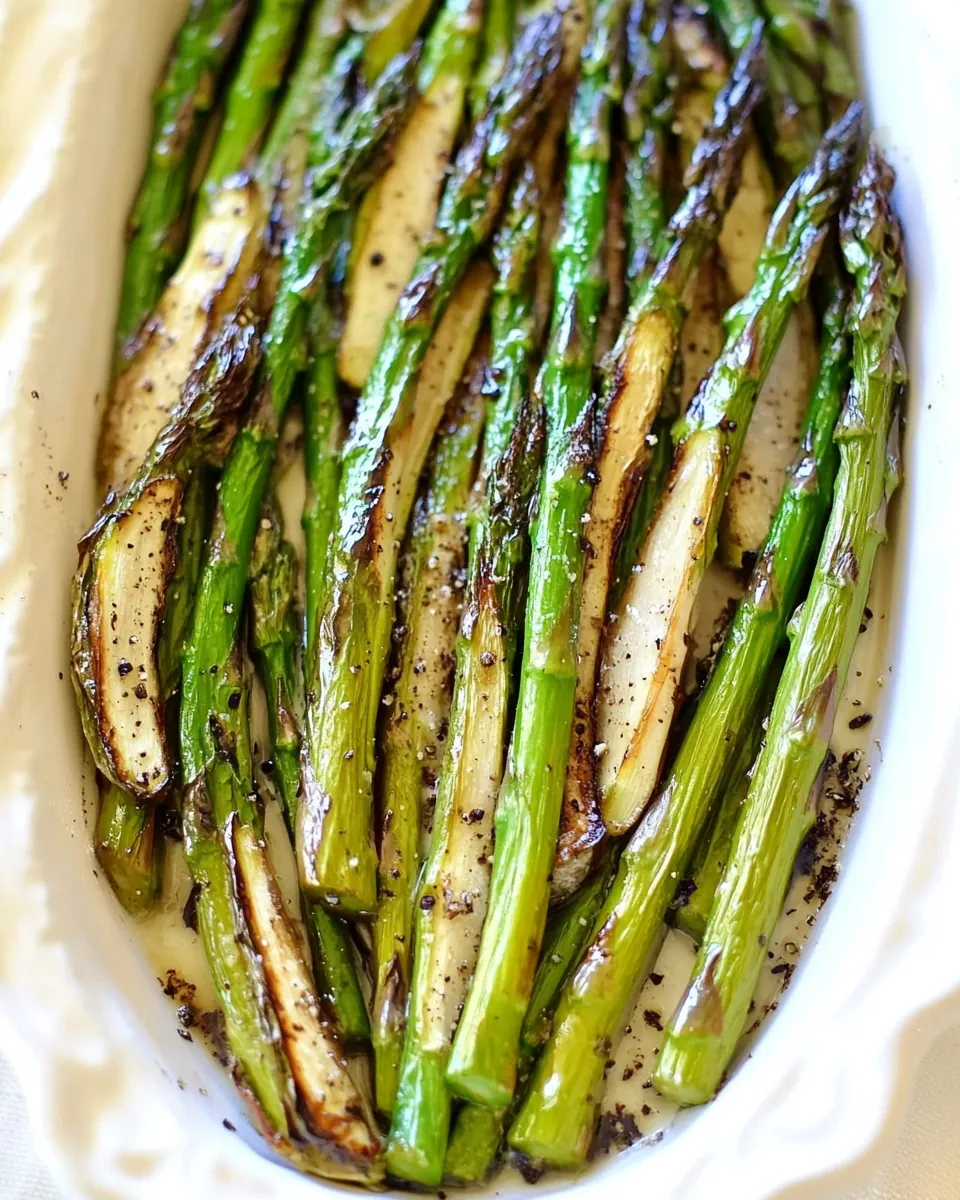
If you want to make Balsamic Asparagus unique, there are plenty of ways to customize the dish. Here are some ideas to get your creative juices flowing!
- Add Nuts: Toss in some chopped almonds or walnuts to give your dish a crunchy texture.
- Incorporate Cheese: Sprinkle grated Parmesan or feta cheese over the top for a rich, creamy finish.
- Herbs and Spices: Experiment with fresh herbs like thyme or rosemary for added flavor.
- Make it Spicy: A pinch of red pepper flakes can add an exciting kick to your Balsamic Asparagus.
- Vary the Sauce: Try substituting the balsamic with a different vinegar or adding a splash of lemon juice for a zesty twist.
- Serve It Cold: Turn your Balsamic Asparagus into a salad by chilling it and adding fresh greens.
- Pair with Proteins: Serve alongside grilled chicken or fish to create a complete meal.
Serving This Balsamic Asparagus
When it comes to serving Balsamic Asparagus, there are various occasions and ways to make it even more enjoyable.
- Perfect Side Dish: This dish pairs excellently with grilled meats, making it an ideal choice for summer barbecues.
- Lunch Companion: You can serve it alongside a light sandwich or a salad for a refreshing lunch.
- Holiday Celebrations: Balsamic Asparagus is a fantastic addition to your holiday table, bringing a splash of color and flavor to the feast.
- Picnic Essentials: Consider it as part of your picnic spread. It’s easy to carry and tastes great cold.
- Storage Tips: Store any leftovers in an airtight container in the fridge for up to three days. Reheat gently to preserve texture.
- Seasonal Pairings: This dish complements other seasonal vegetables, enhancing your spring or summer meals.
FAQ
Conclusion
Balsamic Asparagus stands out as a simple yet elegant dish that can elevate any meal. Its delightful flavors and vibrant colors make it a crowd-pleaser, and I encourage you to try making it for your next gathering or weeknight dinner. You’ll love how easy it is to prepare, and your family will surely appreciate the fresh taste of spring on their plates!
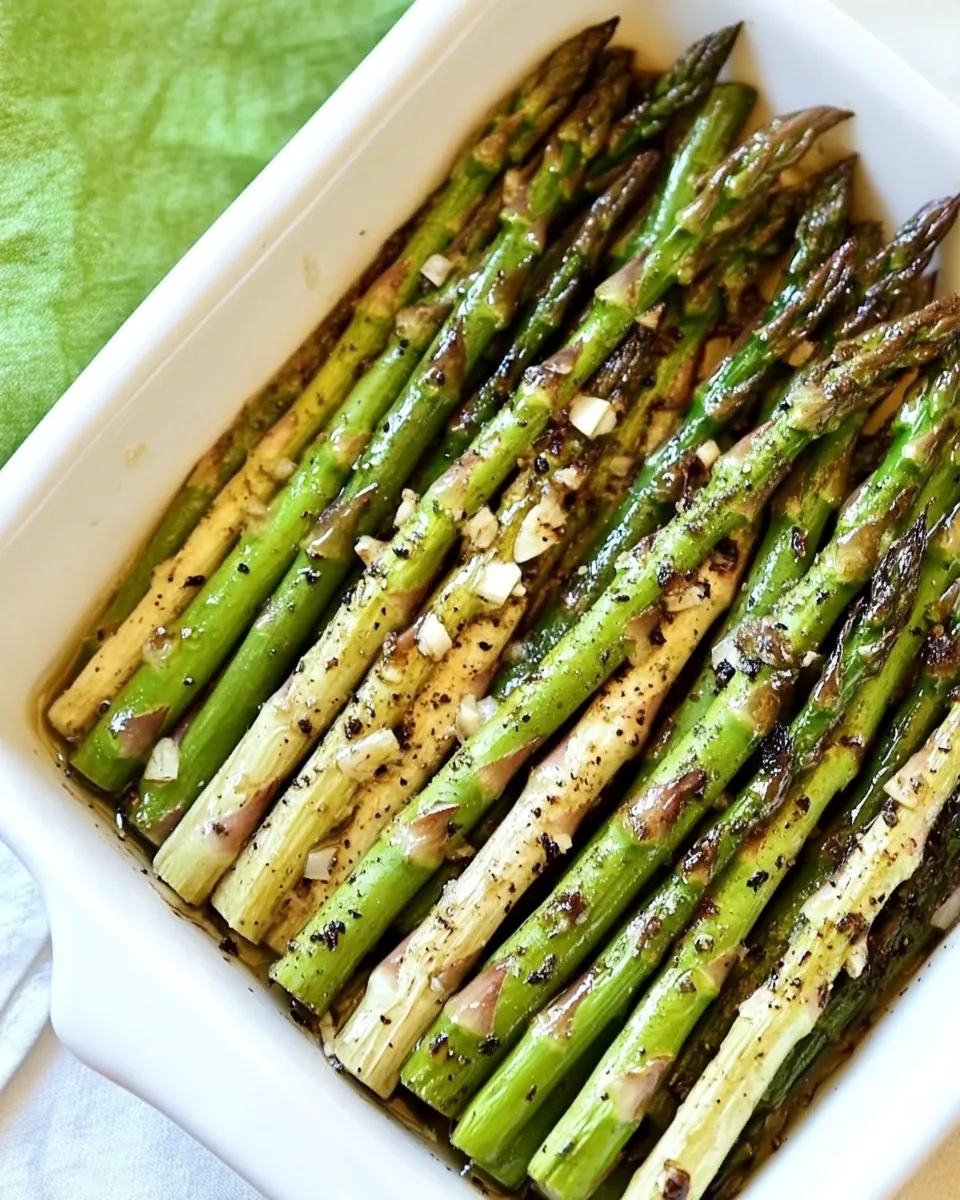
Balsamic Asparagus
Ingredients
Equipment
Method
- Preheat your oven to 400°F (200°C). This temperature is ideal for roasting the asparagus quickly while giving it a nice golden color.
- Take your trimmed asparagus and spread it out on a large baking sheet. Drizzle lightly with olive oil and use your hands to toss it, ensuring every spear is evenly coated. This step is crucial for achieving an even roast.
- Season the asparagus generously with freshly cracked salt and pepper. Don't be shy! Seasoning helps elevate the natural flavors of the vegetables.
- Now, arrange the asparagus in a single layer on the baking sheet. This allows them to roast evenly and become beautifully crisp.
- Place the baking sheet in the preheated oven and roast the asparagus for 8 to 10 minutes. You want them to be tender yet still crisp, so keep an eye on them!
- While the asparagus is roasting, grab a small skillet and melt butter over medium heat. Allow it to melt slowly, stirring occasionally to prevent burning.
- After the butter has melted, continue cooking it for approximately 3 minutes until it becomes lightly browned and fragrant. Be sure to stir constantly to avoid any bitterness.
- Once browned, remove the skillet from the heat and stir in soy sauce and balsamic vinegar. This mixture will create a delicious glaze for the asparagus.
- When the asparagus is done roasting, remove it from the oven and drizzle the balsamic brown butter over it. Toss the asparagus gently to coat them evenly in the sauce.
- If desired, garnish with orange zest and some caramelized nuts for an extra touch of flavor and texture. Serve immediately and enjoy your stunning Balsamic Asparagus!
Notes
- Tip 1: Store leftovers in an airtight container in the fridge for up to three days.
- Tip 2: This dish can be enjoyed cold as well, making it a great choice for picnics.
- Tip 3: Feel free to experiment with different toppings like nuts or cheese for added flavor.
- Tip 4: Adjust the seasoning to your taste—more salt or pepper can enhance the dish.
- Tip 5: Try serving it alongside grilled meats for a complete meal.