Spicy Korean Chicken
Every time I make Spicy Korean Chicken, I’m transported back to the vibrant streets of Seoul, where the aroma of grilled meats wafts through the air. This dish perfectly encapsulates a fusion of flavors that dance together in harmony. You see, my love for Korean cuisine started during my travels, where I had my first taste of marinated chicken cooked over an open flame. The spicy kick and the rich umami flavors left an indelible mark on my palate. Since then, I’ve been eager to recreate that experience right in my kitchen. This recipe is not just a meal; it’s a celebration of vibrant ingredients coming together to create something truly special.
When I’m cooking this dish, I often think about the joy it brings to my family and friends. It’s the perfect way to spice up a weeknight dinner or impress guests at a gathering. The best part? It’s incredibly simple to prepare! Once you marinate the chicken, you can grill it, pan-fry it, or even bake it. Whichever method you choose, the outcome is consistently delicious. So gather around the table, share some stories, and enjoy the flavors of Spicy Korean Chicken together. Trust me; your taste buds will thank you!
Recipe Snapshot
25 mins
10 mins
15 mins
Easy
400 kcal
25 g
Keto, Paleo, Whole30
25 g
Chef’s Knife, Peeler, Whisk, Baking Sheet, Frying Pan, Skillet, Oven
Why This Spicy Korean Chicken Works
Unforgettable Flavors
There’s something magical about the combination of ingredients in Spicy Korean Chicken. The gochujang adds a delightful depth of flavor, while the garlic infuses it with aromatic goodness.
Easy to Prepare
Don’t worry if you’re not a culinary expert; creating this dish is straightforward. A little marinating goes a long way, and before you know it, you’ll have a plate of mouthwatering chicken that’s bursting with flavor!
Perfect for Any Occasion
Whether it’s a casual family dinner or a festive get-together, Spicy Korean Chicken fits right in. It’s versatile enough to be served with rice, in a wrap, or as part of a larger spread.
Healthy and Wholesome
This dish is not only delicious but can also be a healthier option compared to fried alternatives. By grilling or baking the chicken, you keep it lean while still enjoying robust flavors.
Great for Leftovers
If you happen to have any leftovers (which is rare!), they make for an excellent lunch the next day. Cold or reheated, Spicy Korean Chicken remains tasty and satisfying.
Customizable Heat
The heat level is adjustable! If you prefer a milder flavor, simply reduce the amount of gochujang or gochugaru. You can tailor it to your liking!
Ingredient List for Spicy Korean Chicken
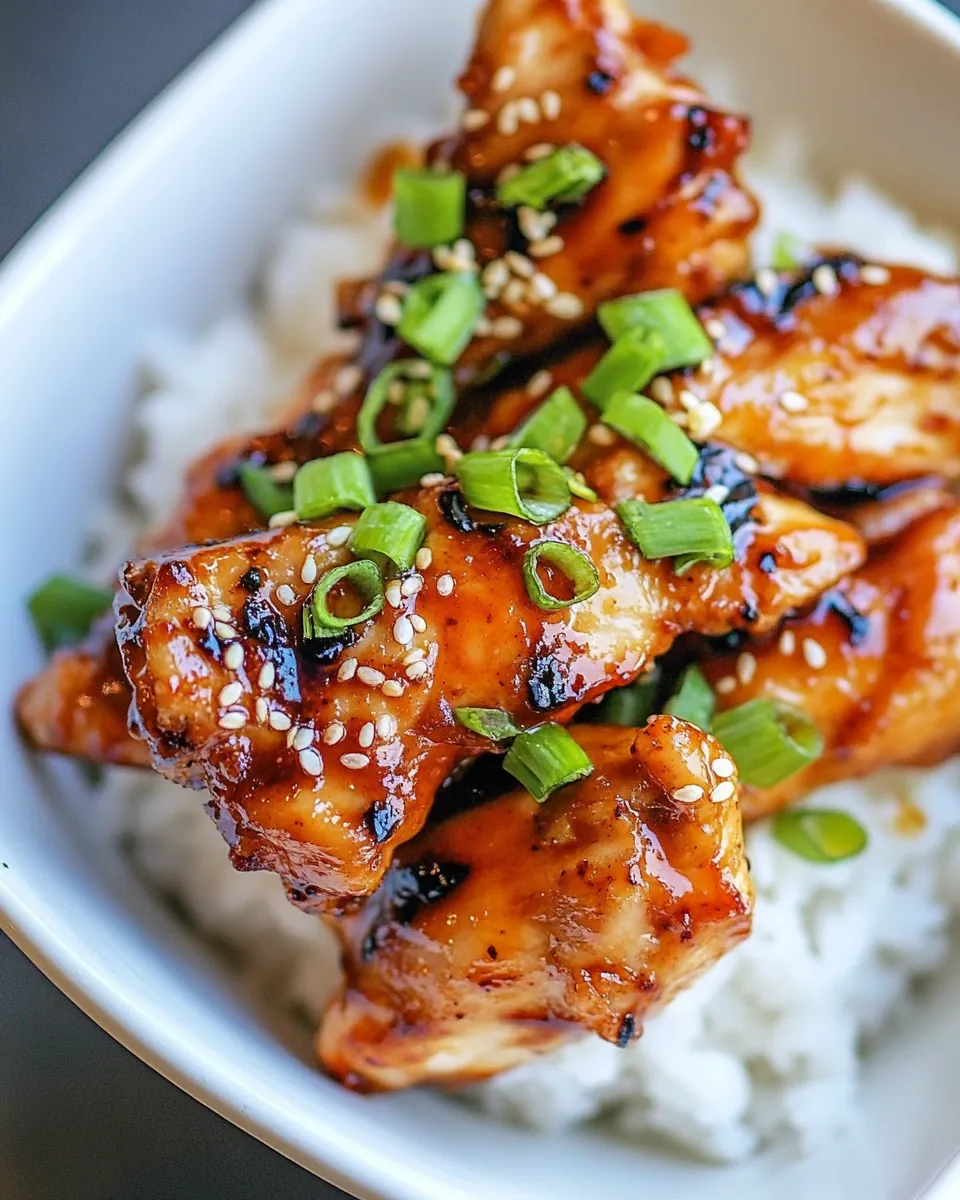
The ingredients for Spicy Korean Chicken are what truly bring this dish to life. Each component plays an essential role in creating that perfect balance of spicy, savory, and slightly sweet flavors. The star of the show is the chicken thighs, which I prefer for their juiciness and flavor. The marinade—a mix of gochujang, soy sauce, and sesame oil—creates a tender and flavorful chicken that you won’t be able to resist. Let’s dive into the ingredient list!
- 1 lb (500g) boneless and skinless chicken thighs: This cut is ideal for grilling because it remains juicy and tender, making it a perfect canvas for the marinade.
- 2 tablespoons oil: Used for cooking the chicken, it adds a nice sear and helps prevent sticking.
- 1 1/2 tablespoons Korean chili paste, gochujang: This is the key ingredient that gives the dish its signature heat and depth of flavor.
- 1 teaspoon Korean red chili powder, gochugaru or regular chili powder: This adds additional heat and a lovely red color to the dish.
- 1 tablespoon sesame oil: This oil imparts a nutty, rich flavor that enhances the overall taste.
- 2 tablespoons soy sauce: Adds a depth of umami that balances the sweetness and heat.
- 1 1/2 tablespoons sugar: A touch of sweetness helps to round out the flavors and caramelizes beautifully when cooked.
- 1 piece ginger, peeled and minced (1 inch / 2 cm): Fresh ginger adds a zing and aromatic quality that elevates the dish.
- 3 cloves garlic, minced: Garlic enhances the aroma and flavor profile, making it irresistible.
- Salt, to taste: A pinch of salt brings all the flavors together.
Directions for Spicy Korean Chicken
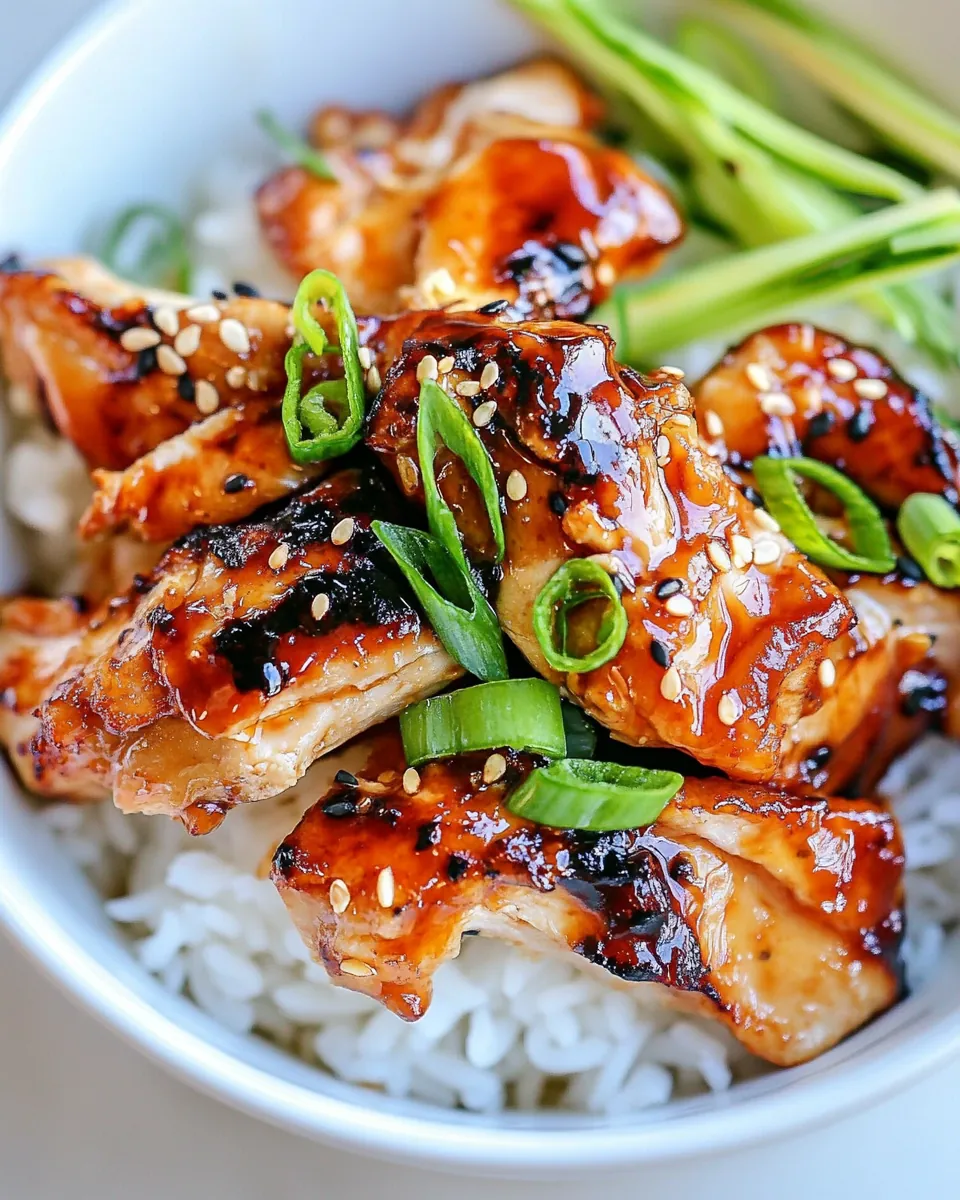
Cooking Spicy Korean Chicken is a journey that begins with simple preparations. You’ll love how straightforward the steps are, making it easy for anyone to follow. Let’s get started on this flavorful adventure!
- Start by slicing the chicken thighs horizontally to create thinner pieces. Depending on their thickness, slice each thigh into two or three pieces. This helps them cook evenly and absorb the marinade better.
- In a mixing bowl, combine the marinade ingredients: gochujang, soy sauce, sesame oil, ginger, garlic, and sugar. Whisk until well combined, ensuring the gochujang is fully dissolved.
- Now, add the sliced chicken to the bowl. Make sure each piece is well coated in the marinade. Cover and let it marinate in the refrigerator for at least thirty minutes. For maximum flavor, two hours is even better!
- Once marinated, preheat your grill or skillet over medium-high heat. If grilling, ensure it’s hot enough to get a nice char on the chicken.
- Carefully place the marinated chicken onto the grill or into the skillet. Cook for about six to eight minutes on one side, or until you see beautiful grill marks.
- Flip the pieces over and continue cooking until the chicken is fully cooked through and slightly charred, around six more minutes. If using a skillet, you can cover it to help cook evenly.
- Use a meat thermometer to check for doneness. The internal temperature should reach at least 165°F (75°C).
- Once cooked, remove the chicken from heat and let it rest for a couple of minutes. This allows the juices to redistribute, keeping it moist.
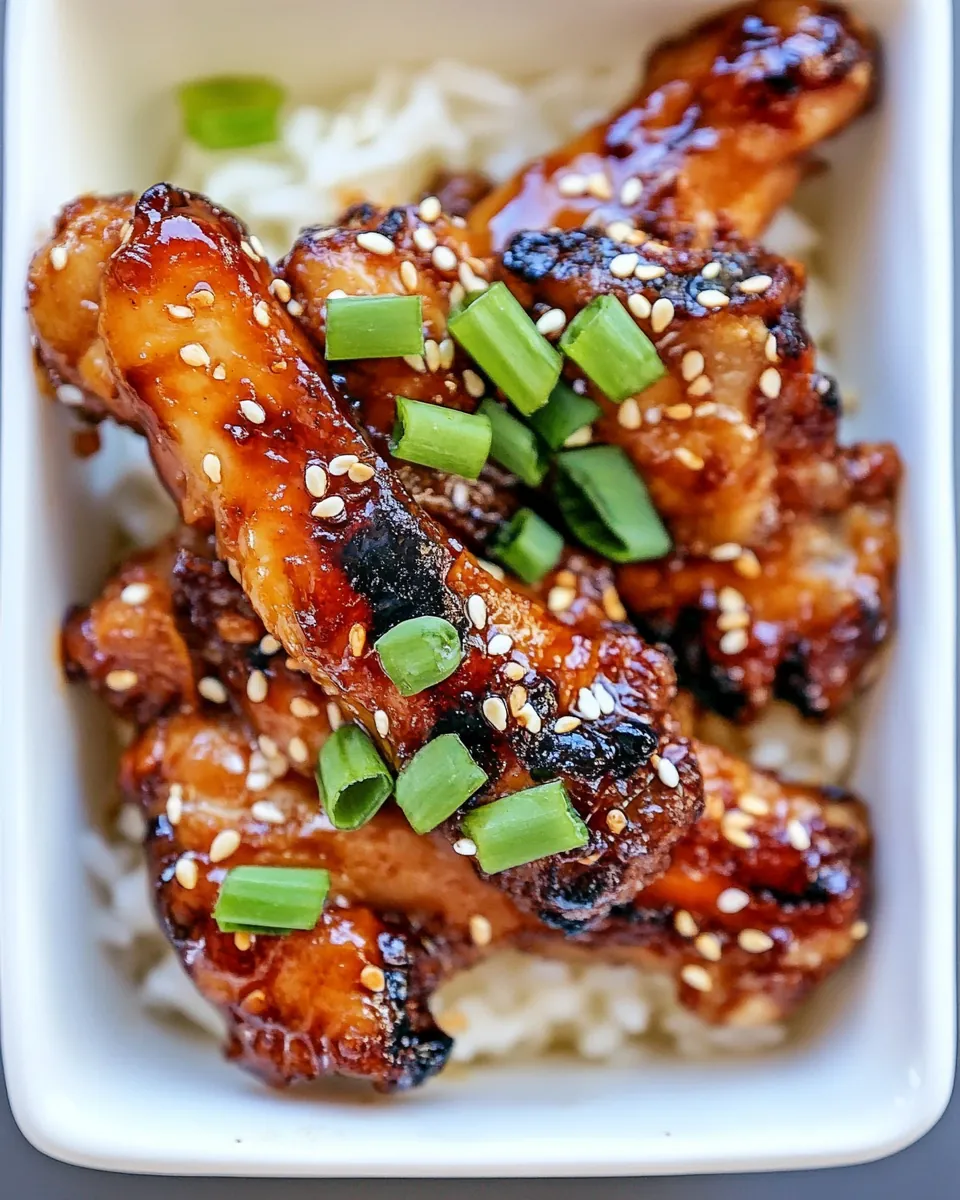
- Serve your Spicy Korean Chicken immediately with steamed rice or your favorite side dishes. Enjoy the burst of flavors!
Things Worth Knowing
- Marinating Time: The longer you marinate, the better! Aim for at least thirty minutes, but two hours is ideal for maximum flavor.
- Choosing Chicken: I recommend using chicken thighs for their juiciness. They hold up better to cooking than chicken breasts, which can dry out.
- Cooking Method: Grilling adds a smoky flavor, but you can also pan-fry or bake the chicken if you prefer. Just ensure it’s cooked through.
- Temperature Check: Use a meat thermometer to check that your chicken has reached an internal temperature of 165°F (75°C) for food safety.
- Resting Time: Let the chicken rest for a few minutes before slicing. This helps maintain juiciness.
- Adjusting Spice Level: If you’re sensitive to heat, start with less gochujang, and gradually increase to your taste.
How to Switch It Up
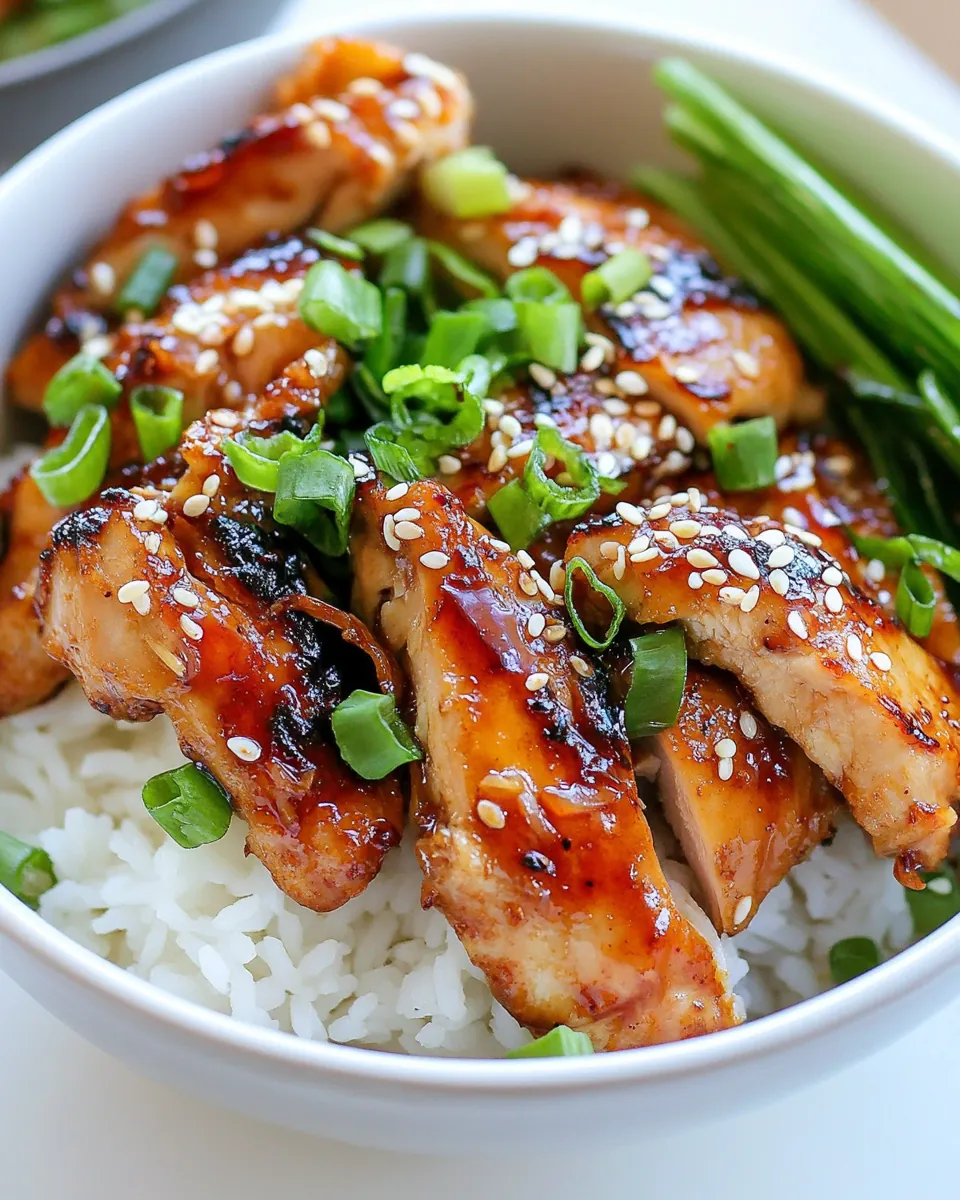
Feel like experimenting? Here are some creative ways to switch up your Spicy Korean Chicken experience!
- Storage: Store leftovers in an airtight container in the refrigerator for up to three days. Reheat gently to maintain flavor and texture.
- Freezing: You can freeze marinated chicken for up to three months. Just thaw in the fridge before cooking.
- Pairing: This dish pairs beautifully with steamed vegetables, fluffy rice, or a fresh salad.
- Serving Style: Try serving this chicken as a filling for wraps or in lettuce cups for a fun twist.
- Flavor Boost: Add some sesame seeds and chopped green onions on top before serving for extra flavor and crunch.
Serve This Spicy Korean Chicken With
When it comes to serving Spicy Korean Chicken, the options are endless! Here are some suggestions to elevate your dining experience:
- Steamed Rice: A classic pairing that soaks up the rich flavors of the marinade. White, brown, or even jasmine rice works wonderfully.
- Vegetable Stir-Fry: Bright, colorful stir-fried vegetables add a healthy crunch that complements the spicy chicken.
- Kimchi: This fermented side dish brings a zingy contrast that balances the flavors beautifully.
- Slaw: A refreshing coleslaw can add a crunchy, tangy aspect that pairs excellently with the chicken.
- Salad Greens: Serve the chicken over a bed of fresh greens for a lighter option, drizzled with sesame dressing.
- Garnishes: Don’t forget to top your dish with sliced green onions and sesame seeds for that extra pop of flavor and presentation.
- Occasions: Enjoy Spicy Korean Chicken for a casual weeknight dinner, a festive gathering, or even a fun barbecue!
FAQ
Conclusion
In conclusion, Spicy Korean Chicken is a standout dish packed with flavor and excitement. The combination of juicy chicken, rich spices, and the right balance of sweetness makes it a must-try for any home cook. I encourage you to give this recipe a go; you won’t regret it. It’s perfect for sharing with family and friends, and it’s sure to impress at your next gathering. So, roll up your sleeves and dive into this delicious culinary adventure!
Spicy Korean Chicken
Ingredients
Equipment
Method
- Slice the chicken thighs horizontally to create thinner pieces of meat. Depending on their thickness, slice each chicken thigh into 2 or 3 horizontal pieces. Set aside.
- Combine all the ingredients for the marinade in a bowl and whisk until the Korean chili paste (gochujang) is completely dissolved. Marinate the chicken for at least 30 minutes, or ideally, for two hours.
- Grill the chicken until slightly charred and fully cooked. Alternatively, pan-fry the chicken in a skillet or bake it in the oven at 400°F (207°C) for about 20 minutes. Serve immediately with steamed rice.
Notes
- Marinating Time: The longer you marinate, the better! Aim for at least thirty minutes, but two hours is ideal for maximum flavor.
- Choosing Chicken: I recommend using chicken thighs for their juiciness. They hold up better to cooking than chicken breasts, which can dry out.
- Cooking Method: Grilling adds a smoky flavor, but you can also pan-fry or bake the chicken if you prefer. Just ensure it’s cooked through.
- Temperature Check: Use a meat thermometer to check that your chicken has reached an internal temperature of 165°F (75°C) for food safety.
- Resting Time: Let the chicken rest for a few minutes before slicing. This helps maintain juiciness.
- Adjusting Spice Level: If you’re sensitive to heat, start with less gochujang, and gradually increase to your taste.